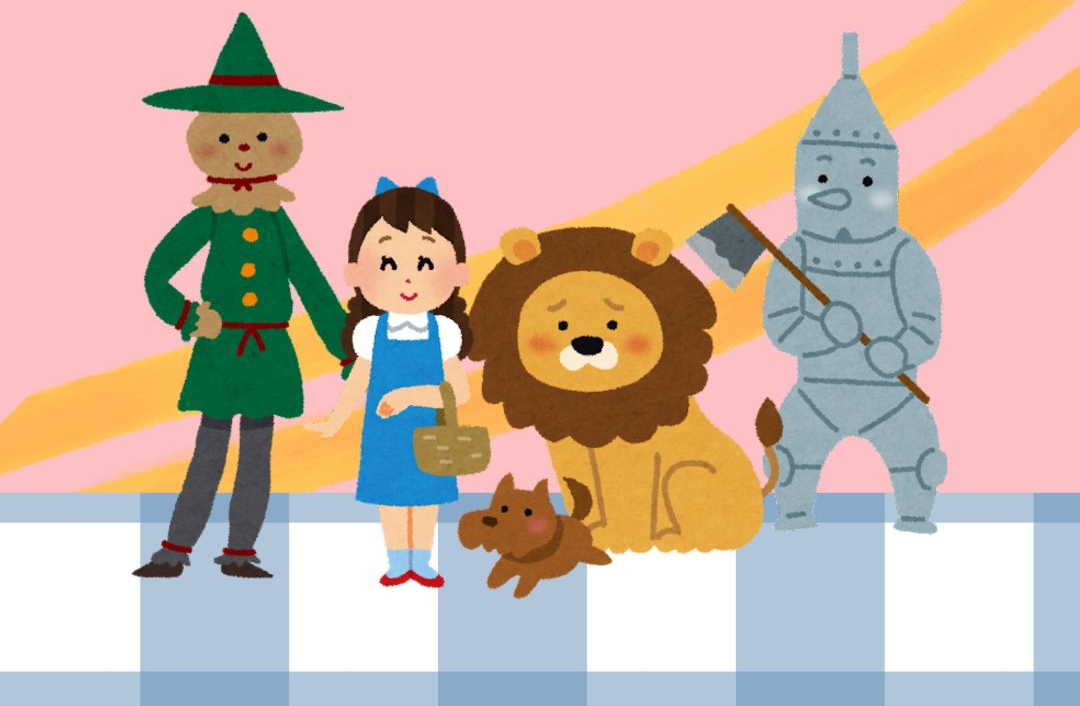
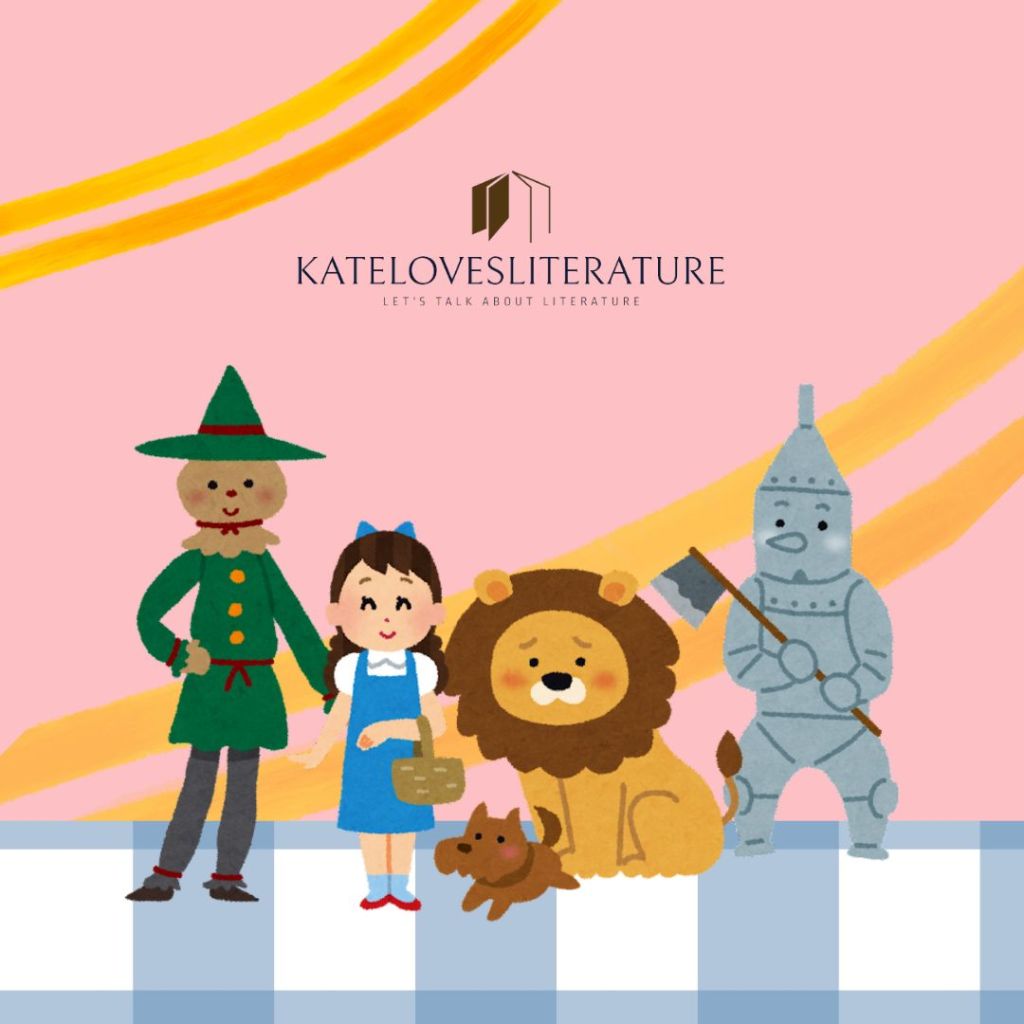
The Wizard of Oz is a simple story, one that I’ve always loved, but I was reminded of just how much I enjoyed it when I went to see the musical version in the Bord Gáis Energy Theatre. If you follow me on Instagram @katelovesliterature, then you will have already seen the photos on my grid.
As expected, it was a brilliant #theatretrip.
Two things captured my attention specifically during this adaptation. The first point is that I was very impressed by this production’s use of screens, and the second point is that I had forgotten how much I enjoy the simplicity of this story. Wicked is touring again currently, and I have my tickets for when it is on in Dublin, so even though I really enjoy Wicked, I loved seeing a villain relishing in being a villain. I’ll talk about this more shortly.
Stylistically, I loved this fresh take on a very classic story. The film alone dates back to 1939, and the winding quest to find one’s way home has been endlessly incorporated into various forms of media ever since. It is a popular trope. One gets lost and must find their way back, learning crucial life lessons along the way. It is a satisfying trope for a reason, and the theme of yearning for belonging somewhere is one that I believe everyone can relate to on some level.
I would call this production quite high-tech, and quite modern. The use of screens and taking a more neon approach to everything felt larger than life, which I think is quite appropriate for Oz. I was sceptical about the use of screens going in, as sometimes I find that screens end up taking over the entire production and no matter what, I think there is something to be said for solid sets and backgrounds that aren’t digital. I was pleasantly surprised though, as I felt there was a lot of care given to striking the balance of when to use screens and when to not, and I loved the bright, electric yellow-brick road that moved in pieces throughout the show.
In this production, in my opinion, a darker undertone was present. Oz was more imposing, darker, despite being lit up in neon. It was so bright that it was slightly unsettling, and for Dorothy, who is off on this imposing journey, it was fitting that Oz would seem gigantic and cold. Kansas felt darker too, with a layer of dust and grime persisting, and everyone was tense and on edge, even before the tornado warning. This worked well as it was easy to see why Dorothy felt so displaced, why maybe Kansas didn’t feel like home at first, and of course, Dorothy’s love for Toto was ever enduring. The style choices made sense, and the screens helped instead of hindered, so I would see this version of the production again anytime.
I want to take a moment to say congratulations, bravo, and well done to the cast and crew.
Aviva Tulley was simply charming as Dorothy. Her rendition of Somewhere Over the Rainbow received a well-deserved extended applause. She was the perfect Dorothy, charming and endearing, yet determined to persevere, not only to help herself, but to help her new friends too. I want to mention Benjamin Yates. He was the most wonderful Scarecrow. The Scarecrow is a vital part of the show. He is the first friend that Dorothy makes in Oz, and he is the first to join her, not leaving her alone on the journey. Their friendship is so sweet, and Benjamin Yates was a fantastic mix of sweet, funny, and earnest. The entire cast were fantastic though and, in my opinion, they all deserve a huge amount of praise.
Craig Revel Horwood was The Wicked Witch of the West. Craig was impressive and it was so much fun to see a villain simply revel in being a villain. I’ve decided that I will consider The Wicked Witch of the West and Elphaba to be two distinctly different characters. I know that many people probably view them this way already, but Wicked is presented often as the “untold side of the story,” of The Wicked Witch of the West. Wicked presents The Wicked Witch of the West as someone who was forced to become evil whereas in The Wizard of Oz, the witch is simply a wicked witch, and her vendetta against Dorothy is based on pettiness and anger alone. Yes, Dorothy technically dropped a house on her sister, but you always get the impression that The Wicked Witch of the West would have found an excuse to torment Dorothy anyway. Having The Wicked Witch of the West double up as the mean and spiteful Miss Gulch from Kansas is a testament to this. Miss Gulch is a spiteful woman who has an unfair vendetta against Dorothy. Miss Gulch takes pleasure in finding reasons to complain about her and act against her, going so far as even trying to take Toto away and harm him.
Craig Revel Horwood clearly enjoyed playing this iconic character, and I really enjoyed seeing a story with clear and plain stakes and triumphs again. The Wicked Witch of the West is an unapologetic antagonist, and the contrast between the surly wicked witch and the ever delightful, bubble-gum pink, moped riding Glinda was visually very striking and very fun to watch. They’re extreme opposites and the dynamic works very well onstage.
I’m all for nuance, especially in children’s literature. I believe I’ve made that very clear time and time again, but I do also feel somewhat frustrated when I see every villain getting the same “misunderstood actually,” treatment. Understanding why someone behaves as they do is important, and yes, sometimes evil is made, but I also do think there’s something to be said about acknowledging that some people simply have bad intentions. The Wicked Witch of the West in this production of The Wizard of Oz is evil just to be evil, and it was highly entertaining.
I’d see this show again tomorrow if I could.
Next up on Katelovesliterature.com, I’m going to be discussing 2.22: A Ghost Story.
Stay tuned!
 Katelovesliterature.com