This month’s #bookofthemonth is Michael Connelly’s City Of Bones.
I cannot wait to dive into this investigation. I will be posting my review/discussion of this book at the end of the month so feel free to read along with me.
Kate xo.

This month’s #bookofthemonth is Michael Connelly’s City Of Bones.
I cannot wait to dive into this investigation. I will be posting my review/discussion of this book at the end of the month so feel free to read along with me.
Kate xo.
Hello everyone and welcome to the first book review/discussion in my Book of the Month series. As you’ll know if you follow me on Instagram @katelovesliterature, July’s book of the month is Truman Capote’s Breakfast at Tiffany’s. So let’s dive right in.
I would imagine that when most people think of Breakfast at Tiffany’s, they think of the movie and they think of the stunning Audrey Hepburn because she made the little black dress and the character of Holly Golightly iconic in the beautiful 1961 movie directed by Blake Edwards. I will talk about the movie at some point in time on a Movie Monday however today is all about the novella which is notably very different to the movie.
Let’s talk about Capote’s writing style. If you have read In Cold Blood, if you haven’t it is well worth the read, but if you have then you will note that Capote’s writing style shifts in Breakfast at Tiffany’s. I think it is fair to suggest that Capote could be described as a gothic writer however his worldly city girl Holly Golightly showcased his range. Capote is a blunt writer and something that I really took note of when I was rereading this novella was just how blunt and downright offensive Capote’s language is in this novella. There are many passages that the reader may find very uncomfortable because of the outdated, and offensive language that Capote uses however I do believe it ties into Holly’s very blunt and jarring character. Holly is described as ‘top banana in the shock department’ and I do think that the very jarring language used was a deliberate choice made by Capote but it doesn’t change the fact that some parts were very uncomfortable to read and now that I am older I was more aware of the offensive language in this novella that I perhaps didn’t fully understand when I was younger.
Capote is not only blunt, but he is excellent at employing storytelling techniques such as symbolism, imagery and allegory and there are many physical things in this novella that represent Holly’s feelings and fears, the main three things being her cat, her sunglasses, and the antique birdcage.
Holly Golightly is a walking riddle. She is an enigma. She is a free spirit who goes with the flow and at times she seems impossible to understand however she has a very charming and magnetic energy about her. You should want nothing to do with her because her riddle-like personality is at times very frustrating and trying to understand her will drive you mad but at the same time when she is gone, you feel as though something is missing. Her energy is so captivating that when she is gone, you wonder what she is doing, when will she be back, you hope to see her again because confusing as she is there is just something about her that keeps bringing people back. I think that Holly Golightly is perhaps one of the best fictional characters there is because there is no one quite like her. She is imperfect, she is very flawed, she is complex and yet she is sincere and that sincerity grounds her and makes her earnest. The description ‘she’s a phoney but she’s a real phoney’ sums her up quite well.
Holly Golightly is a young girl who is trying to figure out her place in the world, she is trying to figure out where she belongs but at the same time she is terrified of being caged in, of being trapped, of settling and so she runs. Her cat with no name represents her fear of commitment. She won’t name him because naming him implies he is hers, that he belongs to her and so she keeps him at a distance. She does the same thing with the novella’s narrator. Her neighbour whom she calls Fred because he reminds her of her brother Fred and although the two strike up a friendship, she always keeps him at that distance, she never lets anyone get too close. Her dark glasses serve the same purpose. Holly is very rarely without her glasses and this means that her eyes are always covered, I think this is another way that Holly hides herself from the world and prevents others from getting too close. There is nothing quite so personal as eye contact and while it is a cliché saying, the eyes really can be the window to the soul and to look into someone’s eyes can tell us so much about how they are truly feeling and Holly does not give the world that option. She presents to the world what she wants them to see and there are many occasions when masks, both literal and metaphorical come up in this story.
Lastly there is the birdcage. Our narrator sees it and falls in love with it and Holly buys it for him but the gift comes with a condition – he must never put a living thing inside it. Holly can appreciate that the cage is a beautiful antique but she cannot bear the thought of anything being put in a cage and the physical cage represents the confinement that she fears, that she continuously runs from.
Tiffany’s is Holly’s escape. Whenever she is feeling caged in (the mean reds) she goes to Tiffany’s because ‘nothing bad can happen at a place like Tiffany’s’. Holly is searching for the place that makes her feel like Tiffany’s, that makes her feel calm and safe. If she could find that place she says she would even give the cat a name so she is not opposed to finding a home, she just does not know where that home is and she scared to find it because finding it means belonging.
The novella, in my opinion, can shed a light on how those who suffer from anxiety may be feeling. The idea of suddenly being afraid but not knowing what you’re afraid of is a very moving part of this novella and one that has always stood out to me. Another line that I will never forget is ‘Anyone who ever gave you confidence, you owe them a lot.’ I truly believe this and it is one of my favourite lines from any book because feeling confident and sure of yourself is a wonderful feeling and one that can take a while to feel. Feeling confident and comfortable in your own skin brings such a peace of mind that is truly extraordinary and if someone helps you find that confidence then they are truly giving you a gift.
Our novella’s narrator wants to be a writer, a ‘real’ writer with published work and I believe that Capote’s writing style really captures the eye of the aspiring writer. We are reading the story through ‘Fred’s’ point of view and so the descriptions in this novella, of Holly, of places, of other people and of New York itself are really vivid and beautiful. There is one snippet of ‘Fred’ describing Holly dancing and he mentions how she floats around like a scarf in the wind and so I think if you are a writer, or you enjoy vivid imagery then you will enjoy Capote’s use of the writer’s imagination in this novella.
I also think that the city of New York plays a very important role in this novella and the city is as much a character as Holly is. There is something wonderfully cinematic about New York. It is a bustling city and I think is makes sense that the always moving Holly Golightly would love a place like New York. The city matches her energy. Although I am not from New York, I imagine that there is something nice about reading a book and seeing a place you know so well talked about in such intimate ways. James Joyce is one of Ireland’s most known writers and he does something similar in his work Dubliners. He writes about Dublin in a very exact and intricate way, and being from Dublin, one of the things I loved so much about Dubliners was seeing places I knew so well and streets I’d walked down be described so perfectly on paper and I imagine that someone from New York would experience that same thing when reading Capote’s Breakfast at Tiffany’s.
This novella is much grittier than the film. It shows the struggles of finding oneself and how terrifying it can be to not know where you belong. It is ironic that Holly hates cages yet she always builds herself one because until she feels comfortable in herself, she will never feel comfortable in any place. The novella also is more upfront about how Holly earns her money, a fact that the movie elegantly smooths over. Holly is an escort who unbeknownst to her, has gotten herself entangled with the mafia and although she always looks glamorous and throws fancy cocktail parties where she sips martinis, she is always one bad day away from falling apart. It is a compelling read and while I sometimes wish it was a longer novel, I do think the novella style suits Holly’s story perfectly. We get a snippet of her, all from the point of view of someone she has mesmerised and when the novella ends, we are left wondering and while I won’t ruin the ending, I do prefer the novella’s ending to the movie’s ending. I feel the final line of this novella, which again I will not mention because I won’t spoil it, is an extremely poignant line and I think it does end the novella perfectly.
So overall I really enjoyed rereading this novella again. I had not read it in a few years and as I said, the very offensive language did take me by surprise, and while I was uncomfortable at times, I do like the story that Capote is telling. I love the character that he has created. I like that he captures a writer’s spirit and I do love the complexity and nuanced characters that are explored in Breakfast at Tiffany’s. I would recommend this novella to anyone who is a fan of the movie, and I would recommend it as a novella regardless of whether someone has seen the movie or not because it is not too long and I think it is a novella that many people could read and we could all come away with a different feeling. It is a classic for a reason and Holly Golightly is iconic for a reason. She is the novella. She is confusing and captivating all at once, which is actually how I would describe this novella in short – confusing yet captivating. It is a wonderful riddle that I enjoy reading and I know that after a while I will likely pick it up again on a rainy day and enjoy it once more.
This has been July’s Book of the Month. I hope you enjoyed my discussion of Truman Capote’s Breakfast at Tiffany’s. I have seen the play that was adapted from the novella and I will do a Movie Monday about the movie at some point in the future and I will likely discuss the play in a Theatre Throwback post at some point in the future too. Have you read Breakfast at Tiffany’s? What did you think? Have you seen the movie? Do you prefer the novella or the movie? Have you seen it onstage? I would love to hear all your thoughts about Breakfast at Tiffany’s so let me know.
I will be announcing August’s Book of the Month soon so make sure to stay tuned for that and for information about all that is to come on Katelovesliterature.com you should follow me on Instagram @katelovesliterature. July has been a fantastic launch month, thank you so much everyone for all of the lovely support that I have received. It is much appreciated. It is onwards and upwards from here on out and there is so much more to come.
Kate xo.
Love is like the wild rose-briar
Friendship like the holly-tree –
The holly is dark when the rose-briar blooms
But which will bloom most constantly?
A quotation from Love and Friendship by Emily Brontë.
Hello everyone and welcome to Friday’s Choice. It is July 30th, which happens to be Emily Brontë’s birthday, so I decided that this week would be about one of her works, perhaps the work she is most known for Wuthering Heights however I did want to share the above quote because while I would argue that her name is most associated with Wuthering Heights, I think Emily Brontë was a wonderful poet and her poem Love and Friendship is one of my favourites.
Wuthering Heights intrigues me and it amuses me because as I have studied it over the years and spoken to other people about it, the one comment that keeps being said again and again is that none of the characters are very likeable, and as time goes on I have started to believe that that is the point. This is a book about deeply flawed people and love it or hate it, there is a reason why it is a long-standing canonical literary classic.
Wuthering Heights was published in 1847 and I would describe it as a tale of intense love and intense tragedy. Rather than talking about the entire novel, I have decided that today I am going to specifically talk about the character Heathcliff because after many readings, and many hours spent analysing the plot, I have come to the conclusion that it can be suggested that people’s opinions on the novel itself depends on how someone interprets the character of Heathcliff. Interpretation is individual and it is subjective and how you interpret something can impact your understanding and enjoyment of the entire plot.
Readers meet Heathcliff as an adult. He is a landlord who is living in a fine manor with servants. He is successful but he is brooding and surly. As an adult he is cold and he is cruel but he cannot be dismissed as just a cruel man. The novel takes readers through his past, and shows us all of the trials and tribulations he faced as a young boy, and readers can see how the cruelty he endured shaped him into the hardened man he is when we meet him.
It is clear from the beginning that Heathcliff is always made out to be ‘other’. He is described as a dirty and ragged child. The novel repeatedly refers to how dark and cold his eyes are, and this physical darkness could be a metaphor for the cold, cruel, revenge driven man he grew up to be but it should be noted that it is not his fault that he was dirty and ragged. He was a victim of circumstance and throughout his life, he was repeatedly cast aside, and mistreated, and made out to be ‘other’, he was even often referred to as ‘it’ rather than ‘him’ which is extremely dehumanising so it is understandable that this treatment played a big part in the cruel man he grew up to be. I would argue that the adults who mistreated an innocent child are responsible for the man he has become.
In many ways, although is is not always a likeable character, I believe that Heathcliff has the potential to be a sympathetic character. He could be someone readers root for. He could have had a rags to riches story, he had a very harsh upbringing but he makes something of himself despite all of the people who wanted the worst for him but Heathcliff, in my opinion, loses sympathy when he not only gets revenge on those who hurt him when he was young, but he is also cruel to innocent people, becoming so engrossed in his revenge that he is as bad as those who hurt him when he was an innocent child himself because that is what he goes on to do. A cycle of cruelty can be easily recognised in this novel, and while it may not make the characters likeable, it certainly makes them layered and interesting.
Wuthering Heights is often referred to as a love story because the love between Heathcliff and Catherine is so passionate and intense and all consuming. The novel brings us the very famous quote “Whatever our souls are made of, his and mine are the same.” While the romance between these two characters is of course a hugely intricate part of the novel, I would actually describe Wuthering Heights as a revenge story because it is intense and dark, and it shows readers what happens when someone is so mistreated that they return determined to ruin the lives of everyone who has wronged them. It is a novel about flawed people, cruel people who do cruel things to one another, not without their reasons, but they are cruel all the same and I think the character of Heathcliff and how complex he is makes the novel memorable. He stands out. He is a rich character to analyse. He can be discussed from many different angles and I would say that if Wuthering Heights is on your reading list but you find it to be a daunting read, because it is a daunting read, my advice is to dive right in and pay attention to Heathcliff. There are a lot of characters, and a lot happens but my advice when it comes to understanding Wuthering Heights is to start with Heathcliff and work from there and that is why I chose to discuss his character today on Brontë’s birthday and this has been my Friday’s Choice
Have you read Wuthering Heights? Have you seen the movie? What did you think of it? I’d love to hear from you so let me know.
Kate xo.
Hello everyone and welcome back to Theory Thursday. Last week I broke down Form & Themes so you should check that out if you haven’t already. Today is slightly different because I am going to talk about two aspects of drama theory that I feel are really important and very useful when it comes to public speaking. So if you have an interview you need to prep for or you have a presentation to give at school or at work, if you’re starting college in September and you’re nervous about speaking to new people, or even if you just want to become a more confident speaker in general then keep reading because today I am breaking down Rate & Pace, and you just might find it helpful.
What does rate mean? What does pace mean?
Rate refers to the overall speed that a piece is spoken at. Pace refers to the variety of speed within that rate.
The rate a piece is spoken at depends on a few factors. 1 – Subject Matter. 2 – The speaker’s personal ability. 3 – The size of the venue. 4 – The type of audience.
For example, if a piece is sad and solemn then the overall rate should be slow, while an exciting or frantic piece would be much quicker. A bigger room will need a slower rate. When a speaker is nervous, they tend to speed up naturally because they wish to get through it. This is where mistakes are made. Slow down, and take a breath and if you think you are speaking slowly, I promise you that you’re not. Slow down again. This is something I’ve been guilty of in the past, not realising my own speed. Who are you speaking to? Is it co-workers? Fellow students? Friends? An older audience? Little kids? Think about all of these things when deciding the rate at which you are going to speak.
Pace must be varied because otherwise the speech will be monotonous, dull, and unpleasant to listen to.
Why are rate & pace important?
When it comes to public speaking, having an understanding of rate & pace is really helpful because being aware of how fast you are speaking, and the variety of speed in your speech will enable you to be more engaging, more confident, and more interesting to listen to. Most importantly, being aware of rate & pace will make you easier to understand. There is no point in flying through a speech, interview or presentation if when it’s over the listener doesn’t really know what you said because you spoke too fast, or your voice was so dull that they struggled to remain engaged. Knowing what you are going to say is only half the battle, how you say something is extremely important and I’ve often found that when it comes to good speakers, it’s not always that the topic they are discussing is really interesting, but rather they are really interesting to listen to. If you are planning a speech, prepping for an interview or presentation then the best advice I can give is to get a room and ask a friend to listen to you give your speech aloud. Pretend it’s the real thing and go for it. Ask them for feedback. Were they bored at any moment? Confused? Do they think you are speaking too fast or too slow? Take notes about what they say, make notes on your speech and practice again. Practice makes perfect and when it comes to public speaking, the only way to get better at it is to keep speaking in public, even if it’s just to one or two friends at first.
This knowledge does not only apply to public speaking, being aware of rate & pace will help you become a better conversationalist in general because the more you become aware of what you are saying and how you are saying it, then you will naturally become more engaging.
This has been my really simple breakdown of rate & pace. Let me know in the comments if public speaking is something that people would like more advice about because I can, and probably will do a Theory Thursday post about preparing a speech and giving tips for when someone is deciding what they want to say. I am also planning on talking about overcoming nerves and stage fright in future blog posts. So stay tuned, there is so much more to come.
Kate xo.
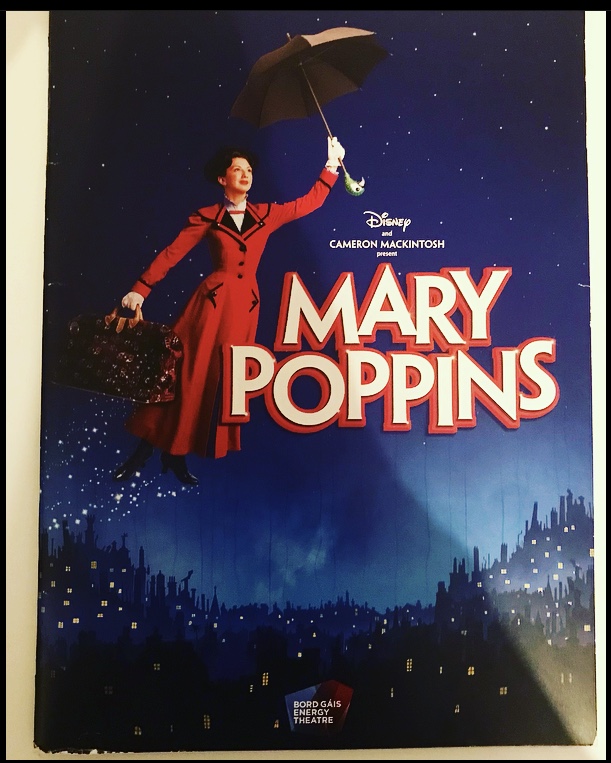
Hello everyone and happy Tuesday. It’s time for another theatre throwback. In 2015 the magical Mary Poppins flew into the Bord Gàis Energy Theatre in Dublin and it quickly became one of my favourite musicals.
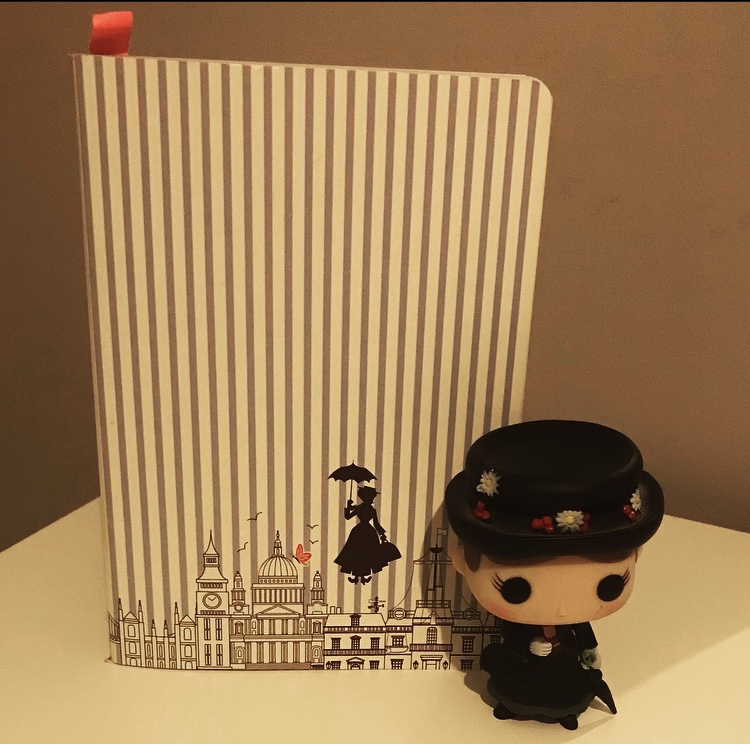
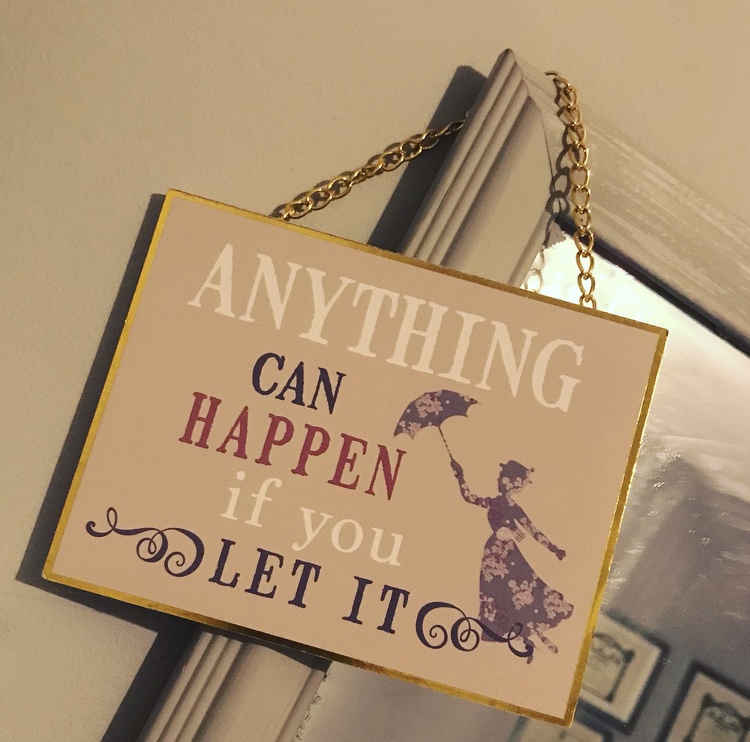
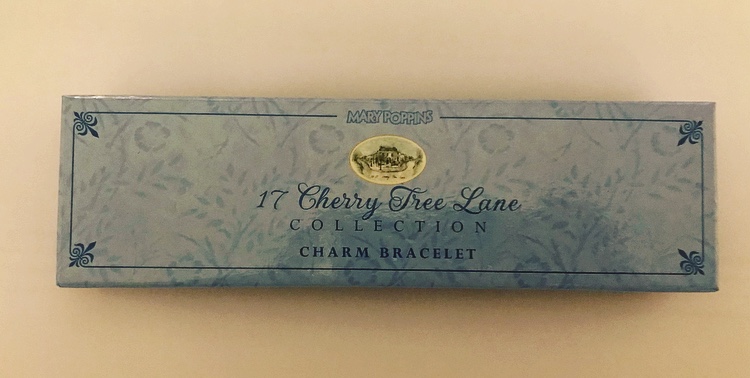
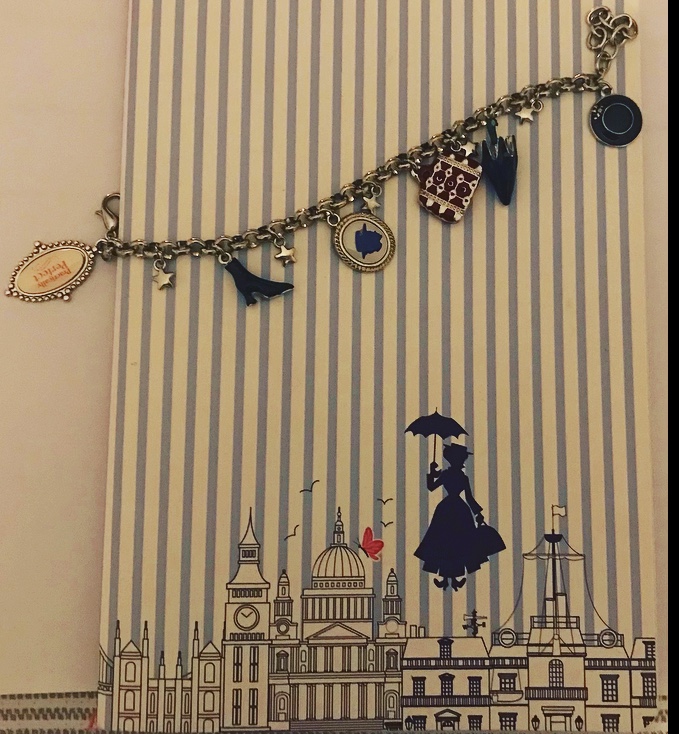
As you will see from the pictures below, I am a fan of Mary Poppins. The movie has always been one of my favourite Disney movies and over the years people have given me an array of Mary Poppins themed presents, from bobble heads to notebooks.
2015 was the year I sat my Junior Cert, if you’re not Irish and you don’t know what this means, it’s one of the two biggest exams we do while we are still in secondary school (high school). It’s the less scary version of the Leaving Cert and looking back once it was over it was hardly mentioned again, but nevertheless it is important at the time and I don’t like dismissing it because students have to get through it and the work they put in should be acknowledged.
Why mention this? Well music was one of my subjects, and as any Irish music student knows, the exam consists of a practical. Play an instrument or sing. I sang. My teacher had a method for choosing songs, show variety and do four different ones. A pop song, a hymn, an Irish song and a song from a musical. I chose to sing Feed the Birds from Mary Poppins and then later in the year after the anticipation of results were behind me, Mary Poppins the musical came to Dublin and as my own mother said, I couldn’t miss this show.
The wonderful Zizi Strallen was Mary Poppins and I still remember the applause when she flew over the audience with her umbrella. I was fifteen at the time and I was beginning to take drama classes more seriously, I was falling in love with watching things onstage and this was the show that made me really pay attention to detail. The transitions were seamless, the moving set and the special effects were fantastic. It really felt magical. It is so hard to pick just one favourite moment but the fabulous Matt Lee as Bert tap dancing upside down across the ceiling is definitely one of them.
If you’re a Disney fan then this is a show you will love. The magic of Disney is captured in every scene and of course the score is just beautifully filled with the songs we all know and love from the movie, along with some new ones specifically for the show. The costumes are beautiful, the dancing is upbeat, lively and mesmerising, and of course the story is what makes this show.
Even if you’re not a Disney fan, I would say if you get a chance to see Mary Poppins then you should go. It’s funny, it’s moving, and it’s absolutely magical and it is still a show that stands out in my memory years later.
I hope I get the chance to see this show again someday, but for now it was nice to walk down memory lane. I hope you all enjoyed my theatre throwback. Have you seen Mary Poppins? What did you think? What’s your favourite Disney musical? I’d love to know.
Kate xo.
Hello everyone and welcome back to Movie Monday. Last week I dived into Pirates of the Caribbean: The Curse Of The Black Pearl, you should check it out if you haven’t already and today I am going to be talking about the movie Lost Girls, so let’s dive in. If you’re a fan of true crime, and mystery then this is a movie for you.
Plot.
Lost Girls, directed by Liz Garbus is movie that is based on the book Lost Girls: An Unsolved American Mystery written by Robert Kolker. The movie follows Mari Gilbert as she relentlessly tries to get the disappearance of her daughter taken seriously and in the process she sheds light on the bodies of unsolved murders of young girls. The book and the movie are based on the true events of the Long Island serial killer.
Characters.
This movie is driven by female characters, particularly the character Mari Gilbert. Mari is a hardworking, driven, strong, single mother who is working two jobs so she can support her daughters and she is furious when the disappearance of her daughter is not taken seriously by the police. She is loud, she is determined. She is angry and she will not be sneered at and most importantly, she demands to know why the life of her daughter and the lives of other dead girls are not considered important or worth proper investigation.
Mari’s missing daughter Shannon, and all the other girls whose bodies were found were girls who struggled in life due to poverty and violence, and they made a living working as escorts and prostitutes and this is important to note because the movie’s message, in my opinion, is very clear.
Lost Girls conveys an important message, firmly stating that the lives these girls lived does not and should not matter and their circumstances should not mean that they do not deserve justice. Their deaths should be taken seriously, just as seriously as the death of a girl from a wealthy family would be taken.
Mari Gilbert is furious with the press, and this movie highlights an ongoing issue in society. When these girls are talked about in the news, they are called whores, prostitutes, sex workers etc, and Mari demands to know why no one will treat them with dignity and respect, why no one will mention that they are young girls, someone’s child, someone’s sister, someone’s friend, human beings who had hard lives and died violent deaths that they did not deserve. It is a very powerful message and the inclusion of the family members of the other girls, who form a bond with Mari because they have all lost a child, is very moving and it was brilliant to watch a movie be so brilliantly led by women.
Themes.
The themes of this movie are very straightforward. This movie highlights violence against women, and how despicable it is. Poverty vs wealth is another theme as the wealth divide and how these girls are treated because of their circumstances is repeatedly mentioned in this movie, constantly questioning why it is ok that these lives are being dismissed? Quick answer, it isn’t. Another theme in this movie is the theme of taking one’s power back, and this is a movie that gives agency to the female voice especially through the character of Mari Gilbert. She will not be ignored. She will not be disrespected. She will not allow her child to be disrespected and she will not be silenced. Mari being so resilient allowed the other women to feel empowered to stand with her, and do more, and to go forth and no longer allow themselves to be dismissed. While this is a dark movie, and a very sad one as it is based on true, tragic events, there is a theme of hope within this movie. There is a lesson to be learned. You can feel Mari’s determination through the screen and you can see her undying determination to get justice for her daughter in every scene she is in. It is hopeful seeing female characters decide to keep taking action, to keep on fighting for justice. Justice and injustice of course are major themes in this movie. The injustice of the deaths of these young girls, the injustice of how they are treated by the system, by the press, the fact they were only in dangerous situations to begin with because of circumstances they could not control such as poverty. This movie just captures how unfair it is that these girls never got the chance to grow up, to find love, to find happiness, to perhaps better themselves financially all because a violent killer considered them to be disposable, and then in death they were considered disposable too until someone said enough is enough. They are not and have never been disposable, and that person was the character Mari Gilbert.
Structure.
This story is told from the point of view of Mari Gilbert so at times it seems slow moving, this represents how she felt the investigation was slow moving. The pacing is very clever because at times I felt frustrated, wondering why is isn’t anyone doing more and then it clicked, that is the point. Audiences can empathise with Mari’s frustration, and the pacing matches how things would have been from her point of view. As someone who really enjoys movies, and all of the little details that go into making a movie, I thought this choice was very clever.
There is only one scene in this movie where we get a different point of view and that is during a retirement party for a detective. His point of view is very powerful because the movie gives him a moment to finally understand where Mari is coming from. At his party, there are strippers who have been hired for entertainment and this detective looks around watching all of his colleagues enjoying the show. He can’t enjoy the show, in fact he is horrified because it finally sinks in. The lost girls, the ones who have been repeatedly dismissed were all girls who worked similar jobs, strippers and escorts etc. Suddenly he feels like a hypocrite because here he was, at a party where everyone is enjoying the strippers and yet when it comes to investigating the horrific and violent murders of these young girls, they were dismissed because they were “only” strippers and escorts. He is humbled and he vows to do better and it’s a little too late but at least he’s had the realisation.
What I liked about this was it was a key opportunity for Garbus to employ the male gaze but instead she did not, she instead chose to focus on an emotional development which was performed excellently and as a viewer you could see the gears turning in this detective’s head and you could actually see the moment when it all clicked and that was very satisfying. It was a finally! moment and I’m glad it was included in the narrative.
Final Thoughts.
Lost Girls is a great movie. It is a sad movie, and of course it is tragic knowing that this is not fiction and those awful murders did actually take place. I feel this movie conveys some really important messages and while it is a hard watch, it is an educational watch and it is a very important watch. I think Lost Girls is a movie that everyone should see at least once.
Great director, great cast, tragic story but within it are some extremely important and moving messages.
So, this has been Movie Monday. I hope you enjoyed my rundown of Lost Girls. If you have seen this movie, I’d love to know what you think of it, so drop some comments, I love reading them and stay tuned for another great week here on Katelovesliterature.com.
Kate xo.
Hello everyone and welcome back to Friday’s Choice. Today I am going to be talking about a play that I watched on Tuesday evening, Windows 21.
Some information about this piece.
This play is a product of the collaboration between the Abbey theatre, and Fighting Words. The Abbey theatre is steeped in history and it has always been a place that showcases creativity and engages with ambitious and courageous storytelling that is aimed towards everyone in Irish society and Fighting Words aims to help children, young people, and adults to unlock the power of their imaginations through writing and with the help of mentors, anyone who wants to can learn how to thrive, and use their voices to become the person they want to be.
As someone who will always talk about the benefits of taking drama classes and why I believe it is so important that literature should be accessible to anyone who wishes to access it, I think that the work done at the Abbey and at Fighting words is truly admirable. For the past ten years, the Abbey theatre and Fighting Words have collaborated and every year, plays that have been written by teenagers and developed at Fighting Words have been professionally performed on the Abbey stage.
More information about the Abbey theatre and Fighting Words can be found online, on their respective websites and I would encourage anyone who enjoys the arts to go and check it out because the work they do is incredible and I especially love seeing the creativity of young people being explored and given a platform onstage. This year, the play Windows 21 premiered on YouTube, so on Tuesday evening I had the pleasure of enjoying a night at the theatre in my own home (although I am looking forward to the day I actually go into a theatre again, but that is for a different blog post – some exciting shows are coming up!).
This is not a review, it is more of a discussion because I think that the piece that I watched on Tuesday evening truly deserves to be talked about. I took many notes.
Windows 21 was written by Michael Lavery, Ray McHallem, Louí Montague, Aisling Murphy, Emily Murray Nelson, Èadaoin O’Neill, Joe Reidy, and Selina Xu, and it was directed by Jeda de Brí.
Juliette Crosbie, Esther Ayo James, Holly Hannaway, Clinton Liberty, Matthew Malone, and Katie McCann made up the wonderful cast.
This play gave audiences a look into young people’s lives as they faced a global pandemic, and it was funny, honest, emotional and incredibly relevant.
As an audience member, I think the title Windows 21 is extremely fitting as I would say that this play gave the audience windows into the lives of different young people, and we saw snippets of the realities faced by many different young people. This play was only an hour and twenty minutes long and yet it touched on so many things, the impact of lockdown, all the things that people missed out on, the excitement we first felt when we heard we were all getting two weeks off from school and college, to the sudden realisation that we would rather go to school and face bullies then be in this situation. This play touched on the mental health of teenagers, and how they are dealing with anxiety and depression, not just because of the pandemic but also because of all the other things they face, the fear of failing, the thoughts of wondering what the hell am I doing? Will everything be ok? Will I ever find love? What does love mean? The fact that time and days and everything seemed to lose it’s meaning in quarantine, the fact that people felt disorientated and isolated, and not only that, but this play also touched on the constant positivity that is Instagram culture and the need that young people can feel to look perfect all of the time. This play touched on victim blaming and consent, it touched on adults struggling to talk to their teenagers about their mental health, it touched on trials and tribulations with friends and how that seems so important at the time but it too shall pass and mostly, this play touched on hope. The idea that life will go on and connections will be remade, and this is a time that we will always remember.
I took so many notes while watching this performance and I even teared up on one occasion. It was so refreshingly honest and touching, and I loved that a voice was given to the younger generation to express how they felt throughout this extremely trying time. I am a big believer in the notion that we can always learn from those who are younger than us, and as someone who turned twenty one in lockdown and had to finish my final college year alone at home, it was brilliant to have some of my own worries represented and validated onstage and it was also brilliant to see the worries of those who are even younger than me, those who are still in secondary school be represented onstage too and I learned a lot.
To sum up this Friday’s Choice, all I can say is I think it is fantastic that this performance was available for viewing on YouTube and I would encourage anyone to go and watch it while they still can. I am so glad that I took the time to sit down and watch this play because I was left feeling so impressed by these writers and actors and everyone who was involved who made this performance happen. It truly is a testament of the wonderful things that young people can do. I think it should also be said that most of the work for this piece was done over Zoom which could not have been easy so it really does just go to show what can be done when people work together. The past year has been a really trying time and many people have struggled and suffered and it was very touching to see all of those realties represented onstage.
I think one of the best things anyone can do is to remember to think creatively, and always be open to wonder. So, that has been my Friday’s Choice. I hope you enjoyed my thoughts about the wonderful Windows 21.
Kate xo.
Hello everyone and welcome back to Theory Thursday. Today I am going to be talking about form and themes and how they should compliment each other, adding to the enjoyment of a text.
What is form? What is a theme? How do they compliment each other? Keep reading and find out.
Form, in its most simple definition refers to how a piece of writing is structured. So, readers should pay attention to how a piece of writing is organised, and structured, and keep an eye out for what type of language is used. Is it ordinary? Is it metrical? Don’t worry if you are unsure of what these terms mean, that’s what I’m here for. For example, there are different types of form. One of them is nonfiction prose and the point of nonfiction prose is to convey to the reader facts about reality, so the language used in nonfiction prose is usually straightforward, ordinary, non-metrical, easy to understand language because that is what gets the writer’s point across to readers.
Theme, in its most simple definition is the text’s main idea or underlying message. An easy way to identify the theme or themes of a text is to first look at the plot. When you look at the plot, the theme or themes become easier to recognise. Common themes would be love, death, rich versus poor etc.
For example, if one looks at Shakespeare’s Romeo & Juliet, the play’s dominant theme is love as the entire plot revolves around the intense, passionate and yet forbidden love between Romeo and Juliet. There are other themes in this play, individuality vs society – this can be recognised through Romeo and Juliet deciding to be true to themselves and be together rather than feuding as their families expect them too etc. Violence of course is another theme because of this age-old feud and there is a lot of deaths in this play so as you can see, once one becomes familiar with a text’s plot, it becomes easier to form opinions about what one interprets the theme to be. I think an easy way to approach it is when thinking about a text and what it’s theme or themes may be is to think about what lesson you think you took from it. When you figure out what you learned from a text, you can begin to understand the messages that were presented in that text in order to teach that lesson. It may sound complicated, but the more you read and the more you watch films, the easier this will become.
In this section, I am going to talk about how form and theme can compliment each other and to do so, I am going to use an example. I am going to be talking about James Joyce’s Ulysses, specifically Episode Eighteen, Penelope. The reason I have chosen this text is because Joyce’s writing style has sometimes been described as hard to follow, but I think that if one takes a closer look, they will find that his style makes sense in the context of the stories he is trying to tell, and it actually enhances them.
Joyce writes about ordinary people who are living their ordinary lives and they are content. His work is incredibly relatable because Joyce writes about people who exist in real life and in Ulysses, his writing reads like a stream of consciousness as though readers are experiencing the character’s thoughts with them as they happen. If one looks at Episode Eighteen, Penelope, I think they will see why it could be argued that Joyce’s choice of form in this episode is what makes it a notable read. Joyce writes from the perspective of the character Molly, and he writes her perspective in eight ‘sentences’, that are separated by paragraph breaks and he does not use any punctuation.
In my opinion, this choice of form, this free- flowing stream of consciousness really compliments the way Joyce is sharing Molly’s thoughts because when reading them, it feels as though we are experiencing her thoughts with her as she has them. Her thoughts change rapidly and she bounces from one thought to another so upon one’s first reading, it may not seem very coherent, however thoughts are not always coherent. This may sound very confusing, but within this freestyle form a pattern is established. Molly has a thought, she is processing it, she gets distracted and thinks of something else, and then she circles back to her original thought.
I think this is a fairly relatable thing, I’m sure we have all been thinking only to get distracted and then bring our attention back to the task at hand. Molly’s thoughts are unedited so therefore, Joyce’s writing style appears unedited. I think this is particularly brilliant because it is so relatable. We don’t edit our thoughts in real life, we simply think. The use of form here makes Molly a well-rounded, relatable character and the themes and emotions that are presented in this piece, lust, annoyance, etc, are not coherent emotions either. If someone is seething with anger, then their thoughts may not be rational or coherent so again, this choice of form is very well matched to the emotions that are being presented. So, in this episode, Joyce’s choice of form really lends itself to the emotions he is depicting and in my opinion, this text, specifically this episode is a really good example of how form and theme can work together and compliment each other, which leads to the text having more meaning.
In short, the free-flowing, unpunctuated form compliments the real, unedited human emotions and themes that Joyce is presenting in Ulysses.
Why do we need to know about form and theme?
I think that if you are an avid reader, then writing styles and themes are things that you will naturally start to notice over time. You will begin to see that one book may be written very differently to another, and if you notice that but are unsure of how to describe it, I’ll make it simple for you. You are starting to notice form. The way a text is written can really impact how much readers enjoy it. The way a text is written can impact how much readers understand it, so I would say that like all aspects of literary theory, form is important because it can add to our understanding and enjoyment of a text. Themes are important because they are what the text is about, what was the message? What did we take away from that story? Why does our favourite story mean so much to us? Why is a certain text extremely important or educationical? It is usually because of the themes a text presents and the message it conveys, so again in my opinion, having an understanding of theme will only add to your reading and/or viewing experiences.
So, this has been Theory Theory. I hope you enjoyed my breakdown of form and themes. Next week on Theory Thursday I will breakdown Rate and Pace, which will come in handy for job interviews, presentations, any kind of public speaking or even if you’d just like to become a more confident speaker in general it’ll really help you out. Make sure to check it out next week on Theory Thursday and if you have any questions about form and theme then let me know. I’d love to hear from you.
Kate xo.
Hello everyone and happy Tuesday. I thought I would do another theatre throwback today and talk about a wonderful night I had at the Bord Gáis Energy Theatre in 2017 (how has it been that long?) when I went to see The Addams Family Musical.
I have always been a fan of the Addams Family, and so when the musical was coming to Dublin, I just had to go and see it. It was a fantastic night, if you love the Addams Family then this is a must see show, but I would even recommend it as a stand alone. It’s funny, it’s quirky, it’s heartfelt and there are some really fantastic musical numbers in this show.
I had the pleasure of seeing an absolutely brilliant cast, Cameron Blakely and Samantha Womack were a delightful Gomez and Morticia, and they were my stand outs of the night.
I don’t think anything beats the buzz of opening night, and I was lucky enough to see the first show so the atmosphere in the theatre was great. Everyone was excited, and probably slightly nervous, and I know as an audience member I was thinking hmm I wonder how this will translate on stage? Very well is the answer to that and the cast received an extremely long and well deserved standing ovation.
I hope that The Addams Family musical returns to the Bord Gáis. I would see this show again in a heartbeat and I would tell anyone who is on the fence about it to buy the ticket, a fantastic night at the theatre will follow.
Hope you enjoyed this little theatre throwback. I’m enjoying looking through my collection of programs, a collection that I hope to keep expanding. Have you seen the Addams Family musical? What did you think? Is it on your to see list? What musicals are on your to see list? I’d love to hear so let me know.
Kate xo.

Hello everyone and welcome to the first of many movie reviews/discussions in my Movie Monday series. I am kicking off this series with a Disney movie. Today I am going to be talking about Pirates of the Caribbean: The Curse Of The Black Pearl. Is this an unexpected choice? Perhaps. Why did I choose it? Keep reading and find out.
I think it goes without saying that the past year has been very difficult, I won’t say why. We all know why. I spent the majority of 2021 sitting at my desk typing as I had to complete my final year of college and get my degree at home, alone in my room. The workload was heavy, deadlines were constant and at times it got very lonely so in order for me to stay on top of everything and stay self-motivated, it was crucial that I took some time for myself to recharge and relax. This is where movies come in.
One of my favourite ways to relax has always been to make a nice cup of tea, grab a treat, and sit down to watch a movie and over the past year I found myself especially thankful for Netflix and Disney+. Movies have always been called a form of escapism, and I have always agreed with that however I would say that now I have an even greater appreciation for movies and all that they can do for people.
So, that is why I have chosen to kick off my Movie Monday series with Pirates of the Caribbean: The Curse Of The Black Pearl because what could be more of an escapism movie than watching the honest blacksmith and an iconic pirate reluctantly team up to cross the ocean in order to break a curse and confess love while fighting undead pirates and the Royal Navy along the way? It is a movie filled with action and romance and rivalry and it is wonderfully entertaining.
There are four aspects that I consider when I’m thinking about how I’m going to review a movie. Plot, characters, themes and structure, and so these are the four aspects that I will be focusing on in this review/discussion of Pirates of the Caribbean: The Curse Of The Black Pearl.
Plot.
Let’s dive in and start with the plot of this movie. I would argue it’s fairly straightforward. Our protagonist is the earnest and honest blacksmith Will Turner, and this movie follows him on his journey as he begrudgingly teams up with the morally ambiguous Captain Jack Sparrow because he wants to chase after his love Elizabeth Swann, who has been taken hostage by Captain Barbossa and his crew. Will wishes to find her and declare his love for her and Jack wants his ship back from Barbossa who betrayed him and stole it from him meaning they will both find what they want in the same place.
I would call this movie a quest narrative, in fact I even wrote a dissertation all about why I think it is a perfect example of a quest narrative, but I won’t go too much into detail about that today. To define a quest in the most simplistic way possible, a quest requires the main character (Will) to have to do something or go somewhere in order to achieve his goals, and he must face trials and learn about himself along the way. Think of that old saying about how the journey is more important than the destination. If the protagonist does not develop and mature during the quest, it’s been for nothing.
Will is going on a quest, in fact, all of the characters in this movie aside from Elizabeth are going on a quest. (Elizabeth’s quest comes in later movies however I’m only talking about the first movie today).
Will is on a quest to find Elizabeth and confess his love. Captain Jack Sparrow is on a quest to get his ship back. Barbossa and his crew are on a quest to break their curse and even the Royal Navy are on a quest, as they are questing to capture Captain Jack Sparrow and return Elizabeth safely to her father, the Governor.
Characters.
Something that I love about this movie is that it takes the time to establish who these characters are and the roles they play very early on and very clearly, and I will discuss this in more detail when I talk about structure, but the fact that this movie shows us distinctly who each character is, allows us to recognise how much they’ve developed by the end of the movie, and while it may appear that these characters are very stereotypical initially, another thing I love is that despite this being a Disney movie, the characters are not simply good or bad, they are all complex and nuanced and layered, which lends itself wonderfully to the themes of this movie, which I will elaborate on in my next point.
We’ve got Governor Swann, the doting father. He wants Elizabeth to marry well and he is very protective of her.
We have the lovely Elizabeth Swann who is absolutely fascinated by pirates and has been ever since she was a young girl. Elizabeth yearns for adventure and although her arc spans over several movies in this franchise, she is not a passive female character in this first movie despite being the one who Will wants to save. She is intelligent and a quick thinker and her wits keep her safe on Barbossa’s ship and although she is the only character in this first movie who is not questing, she does find her voice and realise what she wants throughout the course of this movie.
We have Will Turner. Brave, honest, earnest and naive Will Turner. Will is a hardworking blacksmith and he is in love with Elizabeth who is above him in station, meaning at the beginning of this movie it seems unlikely that they can be together even though she seems to reciprocate his feelings. Will is the perfect underdog. He’s kind, he’s handsome, he’s hardworking and he is full of potential that just needs some polishing up. He’s endearing and therefore he is a great character to root for when watching this movie. I would argue that he is the character who changes the most throughout this movie, his arc is wonderfully portrayed onscreen, and I will touch on this more when I talk about structure.
We have Commodore James Norrington. A man who hates pirates and always abides by the law. He wishes to marry Elizabeth. He brushes off Will’s concern for her and refuses to act rashly. He is always enforcing his rank in society and reminding Will of his.
Finally, we have our pirates. Captain Jack Sparrow and Captain Barbossa.
Jack Sparrow is iconic and ambiguous. He’s mysterious and curious. He has one of the most brilliant entrance scenes in any movie and I would argue that his entrance in this movie sums up his entire character. He stands majestically on the mast of his ship as it is filling with water and sinking beneath the surface. He takes off his hat and bows his head in respect to the hanging pirates as he sails into Port Royal and he bribes the dock keeper with money so he doesn’t have to give his name. In just a few moments, we’ve learned so much. This man clearly doesn’t obey the law, and he will go with the flow as chaos ensues around him as if that was his plan all along, perhaps it was, with Jack Sparrow it’s hard to tell.
Barbossa is a man who longs for freedom. He wishes to break his curse. He is ruthless, he looks out for himself. He betrayed Jack in the past and would do so again, but he has his own morals, as does Jack, he respects the pirate’s code and he does not harm Elizabeth while she is aboard his ship. He’s an intelligent man, skilled at wordplay and you should not make a deal with Barbossa unless you are prepared to be extremely specific. Barbossa has figured out a way to cheat while fighting fair and it is what makes him such a brilliant opponent to Jack Sparrow. Barbossa also delivers one of the best lines in the movie, ‘You best start believing in ghost stories Miss Turner, you’re in one.’
All of these characters are memorable and the time the movie spends establishing who they are is really valuable because the introduction sets them up, giving us a solid idea about who they are and then throughout the movie, we watch them develop, we learn more about them, they are fleshed out so in fact they are all much more than who we assumed they are and that’s brilliant. We are given so much in this film but at no point does it feel too much. I would suggest that the characters are what makes this movie great, because if they were not so interesting, it would simply be another guy sets out to save girl movie and this is so much more than that.
Themes.
This movie contains some complex themes, the key ones being, in my opinion, the idea that legally right and morally right are not the same thing, names and their importance, class and self-discovery.
This movie creates a really interesting dynamic where audiences can find themselves rooting for Will and Jack even though they are breaking the law and a pirate, by default, should technically be the ‘bad’ guy and yet he is not, because Jack works by his own code and he teaches Will that legally right and morally right do not always go hand in hand and that one can be a pirate and a good man, something that Will does not believe at the start of this movie.
Let’s look at Will and Norrington. Legally speaking, we should root for Norrington. He’s in the Navy, he does not do anything rashly, he is trying to capture the pirates and he is a man who not only obeys the law, he enforces it however we do not root for him, we root for Will even though the moment he decides to team up with Jack, he is breaking the law.
So why do we root for him? We root for Will because Will is morally right. Every single thing Will does, he does because he wishes to get to Elizabeth and make sure she is safe. He always acts with noble intentions and I suppose it leads to that classic question do the ends justify the means? We also root for Will because he is simply more likeable than Norrington. He’s much closer in age to Elizabeth, he is better looking, he’s hardworking and he seems to care about her much more than Norrington does. He’s passionate, he’s ready to act, he’s furious about being dismissed simply because he’s not as rich as Norrington. Norrington may seem more sensible, he wants to make a solid plan, he does not wish to be unprepared and rash however there is no sense of urgency coming from him, so his attitude beside Will’s makes it appear that Will has much more heart than he does and that of course is a huge character trait of the underdog, they’ve got more heart and they are therefore more appealing to audiences.
Names are important because of what they lead to and what they represent. The only reason Barbossa held Elizabeth hostage in the first place is because she gave Will’s last name instead of her own. She did this thinking it would keep her safe, because she thought she was being kidnapped because she is the governor’s daughter however the name Turner turns out to be very significant and this honest blacksmith is much more significant than he knows. Will is the key to breaking the curse as his father was a pirate who Barbossa betrayed and now his blood runs through Will’s veins. If Elizabeth had not have given his name, this quest may have never occurred and Will may have never learned about his father or in fact, himself.
Names are also important because they highlight the class difference between Will and Elizabeth. At the beginning of the movie, Elizabeth keeps asking Will to use her first name but he keeps calling her ‘Miss Swann’, something that her father approves but by the end of this movie, he finally has the courage to call her ‘Elizabeth’. I will touch on this more when I talk about structure.
Class and self-discovery are so important in this film. Will feels his love for Elizabeth cannot be returned because of his station, and Elizabeth knows she must marry Norrington as he is a ‘good’ match. Norrington dismisses Will’s ideas and desires to save Elizabeth simply because he is a blacksmith and he always shuts him down by reminding him to remember his place. Will goes through a major development arc in this movie. He learns about his father, he learns how to fight, he learns about real life and how sometimes you have to do what’s right by you, he learns what he is truly capable of and he does indeed learn his place – a brilliant moment that I’ll discuss in the next section.
So, there is a lot happening in this movie and it is not ‘just’ a Disney movie. It is an entertaining and thought-provoking quest narrative that contains very layered themes and every time I watch this movie, I find something different to discuss.
Structure.
Let’s talk about structure. I would argue that this movie has a perfect, full circle structure because we end exactly where we began but everything and everyone has changed.
We start at Port Royal, for an event. Norrington’s promotion. Elizabeth is fascinated by pirates and Will can only call her ‘Miss Swann’ and utter ‘I love you’ as her carriage rolls away. Will hates pirates and practices for three hours daily with swords so he can kill a pirate if he ever crosses paths with one, and he assumes a pirate will fight fairly because he himself fights fairly. The plot begins when Elizabeth is taken and after attempting to do things the ‘right’ way and getting ignored, Will decides to go to Jack Sparrow for help and off they go on their quest.
The movie ends back at Port Royal, at an event. Jack’s hanging. Elizabeth is still fascinated by pirates, in fact she’s in love with one. Will has learned it is indeed possible to be a pirate and a good man, he has learned that there are people who will never fight fairly and he has learned that sometimes morally right and legally right are not the same thing. There is a scene at the start of this movie where he delivers a sword to Elizabeth’s house and she is on the stairs. There is a scene that mirrors this at Jack’s hanging. Elizabeth is standing on the stairs with her father. Will confidently strides over and addresses her as ‘Elizabeth’ and he finally confesses his love for her. To her face, not to himself as her carriage rolls away. He interrupts the hanging and helps Jack escape, stating that Jack is a good man, something he did not believe at the beginning, he attempted to fight Jack and win and now he is saving his life because he knows it is the right thing to do, and again audiences are rooting for him here even though he is breaking the law. Will says they can hang him too for this but his conscience will be clear. Norrington attempts to shut him down again, demanding to know if he has forgotten his place. In the beginning, this comment would make Will doubt himself but now he is sure of himself. It is a brilliant moment when Will looks Norrington in the eye and tells him, ‘My place is right here, between you and Jack.’ Elizabeth joins him, making it clear that Will is the one that she wishes to be with.
Will is still kind and honest and hardworking but his skills have been polished, he is no longer naive, he has learned about himself as a person and he has become a much more confident version of himself after his journey at sea. Structurally, this movie is very satisfying because we end exactly where we began but everyone has changed and evolved due to the journey they have all been on and because the characters were so well established, all of these changes and developments can be clearly recognised. The quest feels worth it. All goals were achieved. Will and Elizabeth are together, embracing on a cliff top, Jack has his beloved ship back, Barbossa and his crew did break their curse and Norrington did capture a pirate, briefly. This is a long movie however it is intriguing and entertaining and it comes full circle so the investment of time and energy feels worth it. It is a very satisfying end to a really good movie.
I’m going to quickly touch on the supernatural elements in this movie because I believe they are an example of really good storytelling. It can be difficult to introduce the supernatural into a story and it can often get in the way of a story however in this movie, the supernatural elements actually function really well as they move the story forward, and the way the curse is introduced to the movie is very well done and it flows quite seamlessly. This is a movie about pirates and we are very quickly brought into their world. The movie does not waste time trying to make the curse seem realistic or believable, the characters are so well done that they seem realistic and believable and so as an audience, we are already suspending our disbelief. The sea is unknown territory, as is the world of pirates, so when Barbossa explains to Elizabeth in his fantastic speech about greed, and taking it all but feeling nothing before the moonlight exposes his skeletal figure, we believe him. In a sense Elizabeth can be the voice of the audience here as she tells him she does not believe in ghost stories, and he informs her that she should start believing in them because she’s in one. I feel that this line is fantastic and it can also be applied to the audience, Barbossa has explained what the curse is and how it came to be and he does not try to prove it, he just tells Elizabeth she is now part of it and the audience can also be told the same thing, start believing in ghost stories, we are in one, we are watching one. In my opinion, the supernatural elements were really well done in this movie and more narratives should operate this way.
Final Thoughts.
My final thoughts are simply that this is a really entertaining movie and I thoroughly enjoyed watching it again, and I would watch it again as I’m sure I would spot something new that I love and will want to discuss at a later time. I feel that I have said a lot today but I could still say more, I could talk about the dynamic between Jack and Will, Jack and Barbossa, and of course I could decide to talk about all the movies in this franchise and do a review/discussion on each one.
I think that if you love action, then this is a great film to watch as there are some brilliant action scenes that are quite underrated in my humble opinion. If you appreciate good storytelling, then you will enjoy this movie, the set up, the motivation, the structure, it is a long movie but it is done so well that it doesn’t feel long and that is very important.
If you love Disney then this is a classic, I think it is one of the best Disney movies because it is so much fun but is also complex and layered and if you love movies the way I do, it’s a very thought-provoking watch.
Most of all though, this movie is an amazing form of escapism. For a few hours, you can be transported to the Caribbean and taken in by this rich world full of unique and well thought-out characters and it’s a movie that ticks many boxes. Romance? Got it. Action? Got it. Comedy? Got it. Heart? Got it. A really good plot? Got it. Pirates of the Caribbean: The Curse Of The Black Pearl will always be a movie that I recommend and I hope you enjoyed my review/discussion of it.
This has been the first Movie Monday and there are many to come.
Let me know what you think of my rundown of Pirates of the Caribbean: The Curse Of The Black Pearl. Have you seen it? What do you think of it? Has this Movie Monday made you want to watch or rewatch it? What’s your favourite movie? I’d love to know so let me know in the comments.
Hope you enjoyed Movie Monday.
Kate xo.
 Katelovesliterature.com