It has been quite a while since I’ve published a longer blog piece. This is because I have been so lucky to be very busy in my literary corner of the world. If you follow me on Instagram @katelovesliterature, then you’ll be as up-to-date as one can be. I’ve been reviewing lots of books for Children’s Books Ireland as usual, and I’ve gotten to be a Book Doctor at some CBI Book Clinics which is such a pleasure. I feel so privileged to get to speak to young readers about books that they love.
It’s been a creative time in many ways. I’ve been watching many movies as always, I’ve been writing, and I’m so thrilled that we have relaunched Your Book or Mine?
In our latest episode, Seán, my co-host and I, discussed all things fantasy as we chatted all about A Court of Thorns and Roses by Sarah J. Maas. You can listen now on Spotify.
Alongside general literary chats, if you follow me on Instagram then you will know that I am very passionately anti-AI. Over the past few months, I’ve had the opportunity to write about this topic and express my thoughts and concerns about the use of generative AI specifically.
I am very thankful that my experience and my qualifications in the realm of English literature have given me the platforms that allow me to highlight my concerns around this topic, especially highlighting my issues with the decline in media literacy, and while I feel that it is important that our imaginations are preserved rather than having generative AI use pushed on us through false assertions that using AI is the same as being creative and writing or articulating ideas ourselves.
I created and shared this post on @katelovesliterature a while ago. It has been viewed over 14 thousand times, and I feel it really sums up my feelings on this topic.
I really encourage you to read further and learn about why so many people, particularly those of us who are writers, editors, illustrators, and creatives, feel so strongly about why using generative AI is incredibly disappointing. There are many wonderful pieces out there, and I am lucky enough that I have been invited to share my perspective on more than one occasion.
I’m very proud of the time I spent studying at DCU, and this MA programme truly made me feel fulfilled. I loved my time on the course. I have remained connected with my classmates, I’ve gotten to explore brilliant opportunities, and I’ve forged some fantastic connections through my time on this MA programme in DCU’s School of English, so I was honoured and proud to be invited to contribute.
Not only have I gotten to further delve into this topic that I’m passionate about, but I have been allowed to explore this topic in a three-part series that will be published on DCU’s MA in Children’s and YA Lit blog. I’m very proud of the work that has gone into this series, and very grateful for the collaboration that took place with Alex at DCU. We went back and forth to make sure the pieces were just right.
I look forward to seeing parts two and three being published soon, and I hope to return to writing longer literary discussions here on Katelovesliterature.com very soon, but for now, I’m enjoying being so busy in my own little literary corner. If you know that reference, please do leave a comment!
If you’re satisfied with a draft that was spat out in seconds then I fear you don’t love writing as much as you think you do.
I could not resist sharing this quote from my first blog post in the series. It has resonated with a few people so far, and I hope it continues to. May we always keep our wonder.
Ireland has an incredibly rich literary history. Ireland is home to legendary writers such as James Joyce, Oscar Wilde, Bram Stoker, and many more who have made it into the pages of our history books due to their incredible talent with words.
Today, Ireland is still home to some extremely talented contemporary writers such as Anne Enright, Sally Rooney, Eoin Colfer, Sarah Webb, Ellen Ryan, and many, many more. Not to mention the abundance of wonderful Irish illustrators. We are a country overflowing with creative talent.
The fact that we are home to fantastic writers, illustrators, and booksellers makes it all the more disappointing to learn that Irish books are just not receiving the visibility they deserve.
In a recent article in The Irish Times, Fiona Gartland highlighted the concerns being raised by children’s author Sarah Webb and many others about how Irish books are being left behind due to many factors, one of them being that many books do not receive the same attention and promotion as books that come with big celebrity names attached to them.
Sarah Webb recently took to social media to share that she noticed there hadn’t been an Irish writer or illustrator in the Irish top 10 for over 20 weeks. This is a real shame as there are so many wonderful books that children are missing out on.
The ironic thing is, as noted in Gartland’s article, when children are given Irish books, they fall in love with them. Our Irish authors can hold their own.
What can we do to promote Irish authors?
Author Sarah Webb has created the Discover Irish Children’s Books campaign. You can lean more and discover how to get involved by visiting the website https://discoveririshkidsbooks.ie/about/
The aim of this campaign is to bring Irish children’s books and their authors and illustrators to the attention of young readers and adults.
This campaign is needed because many children living in Ireland cannot name any children’s authors who are Irish or living in Ireland. Very few Irish books are appearing in festivals in Ireland. This does not make any sense. Books written by Irish authors should absolutely be given attention in Irish literary festivals and at Irish literary events. We should be able to showcase and celebrate the amazing talent we have on our doorstep.
It is a terrible shame that Irish children’s books are hardly appearing in Irish children’s bestseller lists.
There are so many steps that can be taken to help balance the scales so that Irish books are not being so massively overlooked.
We need to spotlight them at our literary events. Bookshops need to showcase them in their stores. In classrooms, teachers and/or school librarians need to pay attention to the amazing Irish works at their fingertips and bring these books into their classes so kids can see them, read them, talk about them, and get excited about them. Unfortunately when we are young, the books we read are behind gatekeepers. When we are little, our books are bought for us, shown to us, and if we are never shown certain books then we don’t ever get the opportunity to love them.
Adults buying books for their children, grandchildren, nephews, nieces, children of friends … whoever we may be buying books for, we have a responsibility and an incredible opportunity to expand the horizons of the young readers in our lives.
As a literary reviewer, and as a book lover in general, I am going to make a very conscious decision to make sure that I highlight Irish books on Katelovesliterature.com. I am from Dublin, I’m very proud to be Irish, and even though I have featured Irish writers frequently on my platforms, I still believe that I could do even more.
I want to be a Discover Irish Children’s Books champion, I want to give recommendations about wonderful books that I think young people would really enjoy, and I want to share and celebrate Irish talent and creativity.
This campaign is not about ignoring other books or talking about giving young readers Irish books only, but it is about ensuring that Irish books have a seat at the table. It is about ensuring that we are not missing out on or overlooking some amazing stories.
I do not just discuss books. I will continue to review and discuss films, poems, theatre, and theory and literary events and literary inspired trips as I always have. I will continue to ensure that I discuss a broad range of literature, but I will be creating a list of Irish book recommendations and I will be continuously adding to that list so that when readers visit Katelovesliterature.com, not only will they find a wide rage of topics to read about, but they will also find a curated list of Irish book recommendations that I hope they will be inspired by, and I hope that they will come across new books that they will really enjoy.
I think it is safe to say that the Barbie movie was one of the most anticipated movies of 2023. The PR team went above and beyond. I’d been looking forward to seeing the movie for months and months and I am so delighted that I finally got to see it.
I have never worked so hard to avoid spoilers before, because as I’m sure many of you know, this movie has generated a lot of discussion online.
So before I dive into my discussion, let’s get two things clear.
First of all this is not a children’s movie. So to all the parents who are making statements about how this movie is inappropriate for children and that they had to leave early with their nine year old … this is not a children’s movie. It is rated 12A in Ireland which means that the material is not considered appropriate for anyone under the age of twelve years old.
Secondly, and most importantly, the Barbie movie is NOT anti-men. This movie has been called “woke.” It has been called “anti-men” and that just simply is not true. In fact, it is disappointing to see that quite a lot of people have either missed the point entirely, or they’re refusing to see the movie and its themes properly. It should be noted that this line of criticism is coming from a specific kind of audience, however it is still disappointing to see a movie be dismissed when Barbie has arguably brought some very important points of discussion to the table.
I’ve seen the movie referred to as “feminism 101” and while I somewhat agree with this statement, I don’t think this is a bad thing. Some people need a basic introduction to feminism.
Is the movie very blunt with its messaging? Yes. Is this a bad thing? I don’t think so. Was it a perfect movie? No. In fact there are some things that I wish were done slightly differently in order to allow for more nuance in the piece, however I think that overall Barbie is a fantastic movie.
It is incredibly funny. It is packed with a great cast. The sets are absolutely gorgeous, and they have that real old Hollywood feel because so many of them are hand painted instead of everything being done on a green screen. The soundtrack is upbeat and fun, and in all the bright, pink glory, this movie still hits you right in the heartstrings because it is filled with such poignancy.
The movie was released on July 21st 2023 and it was directed by Greta Gerwig. The plot follows stereotypical Barbie as her perfect life is interrupted by cellulite and impending thoughts of death. Suddenly Barbie’s dream house is a place of nightmares and in order to go back to the way things have always been, she must travel from Barbie Land to the Real World. In the Real World, Barbie must find the girl who has been playing with her – all Barbie dolls are being played with by someone – because Barbie’s existential crisis is due to the girl’s thoughts merging with Barbie’s.
So it is a quest, a bright pink quest as Barbie sets off from the idyllic Barbie Land, a place where women rule, to the Real World, where she faces the complex realities of being a woman.
The opening narration explains the impact of Barbie, you see, before there were Barbie dolls, little girls played with baby dolls, and ironing boards, and mops. Little girls played pretend at being mothers for being a mother and a homemaker is what girls could aspire to be.
Now it is important for me to state that there is nothing wrong with aspiring to be a mother and/or a homemaker. This fact is often forgotten in the hustle culture that we often see society subscribe to, however it also must be noted that there is a huge difference between wanting to be a mother, and being told that being a mother is all you are allowed to aspire to be as a woman. So the fact that Barbie had her own job, her own house, and her own car, and could be anything in a time where women could not even have their own bank accounts was hugely significant and the motto that Barbie can be anything was and still is hugely inspiring.
In Barbie Land, all of the Barbies believed that this belief that women could be anything and that they were fully empowered had liberated all women in the Real World, so Barbie was expecting a very warm welcome, however things didn’t go as Barbie planned.
Before fully diving into the themes of Barbie, it is crucial to talk about Ken. Ryan Gosling was the perfect Ken to Margot Robbie’s perfect Barbie. He was brilliant, his comedic timing and his commitment to the role of Ken was hysterical. He had the entire cinema laughing.
At this point I’d like to note that I cannot remember the last time I was in a full cinema. The entire screening room was booked out and every single seat was filled. The sea of pink was delightful to see. Everyone was excited, everyone was taking turns taking photos in the Barbie box in the lobby, and the overall atmosphere was just so much fun. I think we could all do with some more “We’re going to see the Barbie movie” energy in our lives.
Back to the plot. Ken desperately wants Barbie to open her heart and her dream house to him. He ends up accompanying her on her journey to the Real World and while Barbie is horrified by the patriarchy, Ken is overjoyed.
This is where one can start to jump into the themes of Barbie. In Barbie Land, the Kens are just Kens. She’s everything and he’s just Ken. It is Barbie’s dream house and she does not want him there. He does not stay over because it is girls night. Every night is girls night. As the narration says, Barbie has a perfect day everyday and Ken only has a good day if Barbie notices him.
Ken feels left out and under appreciated so when he sees that men are powerful due to the patriarchy in the Real World, he is eager to bring that philosophy back to Barbie Land.
So this is where I can see why some people would call this movie “anti-men” because Ken is presented in a fur coat, a bandana, there are horses and trucks everywhere, and he comes across like a macho idiot. This is too easy, and it does not pay attention to the way that the movie addresses how the system of the patriarchy is harmful to women and men. I will say that the patriarchy is more harmful to women than men, because men benefit from the patriarchy. Ken’s experience in the Real World highlights this. Immediately after arriving Barbie is catcalled, she is groped by a stranger who slaps her on the behind, and she senses a violent undertone in the way that people leer at her. For the first time ever she is self-conscious and nervous about her personal safety, whereas Ken feels admired, powerful, and emboldened when he sees a man very rudely dismiss a woman, a colleague, and get away with it. He sees the patriarchy as a system that will appreciate him and give him power, and he does not think about the way it hurts women.
While Barbie is searching for the girl who is playing with her, Ken goes back to Barbie Land and without Barbie there to stop him, he begins to take over and turn the place into a Kendom. He takes over Barbie’s dream house, completely destroying it, and as all the Kens get onboard, the Barbies become brainwashed. These powerful women who were doctors and lawyers, and the President, are reduced to beer bringing maids. No, this is not an exaggeration, they’re literally given French maid outfits to wear because the patriarchy views women as subservient to men.
While it is clear that Ken was taken for granted at the beginning of the movie, it is interesting that him gaining more power involved stripping women of theirs. He could not just be on the same level as these powerful, intelligent, accomplished Barbies, he could not just give the Kens the same status, he had to be on top.
In the Real World, Barbie finds the girl who has been playing with her or at least Barbie thinks she has when she finds Sasha. She is devastated to learn that Sasha and her friends think that Barbie has not helped women at all. Sasha states that Barbie has made women feel bad about themselves due to setting impossible beauty standards, but Barbie argues that that was never the point, the point was supposed to be that Barbie could be anything.
I found this very interesting because initially I thought that this would be the core argument of the movie. I played with Barbie dolls when I was a little girl. I had the dream house and the plane, and I always remembered the tagline of you can be anything! Barbie was magical, she was amazing, and I never felt any kind of societal beauty pressures because of a doll. Barbie was always empowering and I say that as a woman in my twenties. I’ve never heard any of my peers say that Barbie had a negative impact, we all have very fond memories of playing with Barbie dolls when we were younger and watching all of the Barbie movies. That is not to say that I’ve never heard Barbie being critiqued, but I will say that any criticism I’ve heard about Barbie was always from people who were older than myself, who never really played with Barbie dolls, and who kind of seemed to miss the “You can be anything” memo. So it was interesting to see a teenager have that negative opinion of Barbie in this movie.
The plot twist came in the form of Sasha not being the girl that Barbie needed to find, instead it was her mother. All of the memories that Barbie was seeing of young Sasha playing also included her mother playing with her. Her mother Gloria works for Mattel. She’s been drawing Barbie dolls, one of them being “Thoughts of death Barbie” It is Gloria’s thoughts and feelings that are merging with Barbie’s and it is Gloria who delivers the most poignant and powerful monologue of the whole movie.
In her quest to fix everything, Barbie brings Sasha and Gloria back to Barbie Land where she discovers what Ken has done. While confronting Ken, he asks her how it feels to be dismissed? He informs her that every night will be boys night from now on. The parallel is clear.
Now. I have two conflicting thoughts about this point, because on one hand I think that the Kens were overlooked and dismissed by the Barbies at the start of the movie. When Ken asks her how it feels to be treated like this, Gosling did an amazing job of letting the hurt break through the faux-macho facade. I don’t think anyone, man or woman, should be dismissed and treated as less than, however I also worry about saying that Barbie’s lack of attention caused Ken to act this way. He lashes out due to being hurt yes, however I think it is worryingly easy to twist the entire plot in a way that blames women for men’s anger and harmful reactions due to affections not being returned. It is a slippery slope and I do wish that the movie would have handled this more carefully.
Barbie is devastated by the loss of her dream house and by seeing her friends reduced to mindless carriers of beer, and she is still struggling with all the new feelings she is having about life and death and meaning. She breaks down crying and when asked what is wrong, she tells Gloria that she is not pretty anymore. She’s weird.
Gloria, played by the brilliant America Ferrera delivers a powerful monologue about the complexities of being a woman. She passionately lays out how it can feel impossible, because so many expectations are placed on women and so many of them are contradictory. You have to be a boss but never hurt feelings, you have to lead but listen to everyone, you have to be a mother but never talk about your kids, you have to be pretty but not too pretty. The list goes on and on. At this point the narration interrupts to say that Margot Robbie was the wrong person to cast to talk about not feeling pretty and this line got a laugh in the cinema, but this got me thinking.
I think Margot Robbie was the perfect person to cast to make this point because yes, she is gorgeous. She is extremely conventionally attractive, yet she still feels the pressure that comes with the expectation to be pretty. If the beautiful Margot Robbie sometimes feels unattractive, it just highlights even more in my opinion how someone can be beautiful, but they will still struggle and feel the pressure that society puts on them. Gloria’s speech breaks the Barbies out of their trances one by one and together they take back Barbie Land.
It is at this key point that the movie highlights how damaging the patriarchy is, not only to women but to men too. Ken sees everything he has done crumble and he is upset, but he does not cry because he feels he can not and should not cry. Barbie tells him that it is okay to cry.
Hilariously, he tells her that he lost interest in the patriarchy when he found out it was not actually about horses but he felt such pressure to lead, to keep up the facade. This moment highlights how men face enormous pressure too. Pressure to be leaders, to bottle their emotions, to put on a tough facade all the time, to like huge trucks, and sports and to never go against the grain because if you do that then you’re not a “real” man. Of course it is okay to like trucks, and to like sports etc. The problem arises when society tells men, you must like these specific things and behave in this specific way, because if you don’t, then you’re not a “real” man.
Ken has been defining himself by his girlfriend, his job, his car, his house, by all of the things in his life instead of figuring out who he is. He needs to learn how to be just Ken, without those things, and he needs to learn that that is enough. It is interesting because I think women are often defined by the things in our lives. We’re asked if we have boyfriends, are we engaged, do we want kids, and then if we have kids we get asked about mam guilt and how we handle being a mam while working etc. etc. It was interesting to see that trope subverted as so many romantic comedies follow a woman who must find her own identity outside of the relationships in her life.
Barbie apologises for taking Ken for granted, and I really wish he would have apologised for how he treated the Barbies and for ruining her dream house, but instead he just thanks her for her apology and supports her on her quest for meaning in her life.
This is the point that I really wish had been handled differently, because while it is true that Ken was taken for granted, he did treat the Barbies badly. The Kens were just Kens yes, but they were never stripped of their jobs and made to bring the Barbies drinks while wearing French maid outfits. So I do think Barbie was owed an apology too. If that scene had been a few minutes longer, if Ken had apologised for his wrongdoings too, that would have felt better in my opinion.
The movie ends with Ruth Handler, the creator of Barbie, giving her a choice. It is another poignant scene because Ruth tells Barbie that she named Barbie after her own daughter, and she always wanted her daughter and Barbie to do great things. She says that mothers stand still so that their daughters can look back and see how far they’ve come. That line made me cry all over again. It is such a beautiful line. It is so easy to critique women of the past. I discuss a particular pet peeve of mine a lot which is when women of a certain time are critiqued by today’s standards, especially in period pieces. It is not fair to judge a19th century woman by today’s rules or a 1950’s woman by today’s rules. So many women of their time did what they could when they had very little rights, very little education, and very little autonomy. While it is still not perfect in 2023, we’ve come a long way. My great grandmother, my grandmother even, my great aunt who is in her nineties, she is in awe of the things that I get to do and say and be, and she is so proud. This line made me think of her, and of all the women who were young at a certain time, who had to leave school at fourteen or younger, who were considered “on the shelf” at just twenty-five or even younger if they weren’t married by then. It made me think of how they raised another generation, who raised another, who raised my generation. I’m so proud of my mam, of my grandmother, of my great grandmother, and the thing that Barbie really highlighted, the thing that made me, and so many other women in the cinema so emotional is the fact that we were all girls once.
So the movie ends with Ken accepting that he is “Kenough.” Glorious! The entire cinema laughed again. I don’t remember the last time I laughed so much at a character.
Barbie makes a choice. She no longer wants to be an idea, she wants to be the person making the ideas. She wants to be real, to experience life and have all the feelings. So that is exactly what she does. She becomes real.
Overall I thought Barbie was lots of fun. It was bright, it was pink. It was a celebration of girlhood that touched upon the complex realities that come with maturing into a woman. There is internal pressure, there is external pressure, and it is so important to know your own worth and not be defined by other things. Again, while it is not a perfect movie, and its message could be more nuanced at times, this movie is definitely not anti-men. I don’t think it is anti-anybody. I think it brings really important topics to the table. I think it is a movie that opens the conversation. I think it shows how women and men can be negatively impacted by issues, and how the key really is to be kind and respectful and caring to everyone.
I would absolutely recommend it. I will be going to see it again.
This Barbie is a movie lover! This Barbie is a literary reviewer!
As the sunny days start creeping in, I’ve found myself reading different poems all about this season.
Personally, I prefer winter. There’s something magic in the colder air in my opinion, however I have always loved dreamy summer nights. There is a sense of freedom and romance that is always associated with summer. I think it comes from when we’re young and we can’t wait for school to end for the year so we can do what we want during the summer holidays. Nights get longer and brighter, usually kids get to stay up later, and there is a sense of joy that comes with knowing that you have time to do whatever you want. That changes as we get older, that guaranteed summer break is not always guaranteed when we’re working etc., however I do believe that the ideas of freedom and fun will always be associated with the summertime.
Poetry can scare a lot of people, but poems don’t have to be intimidating. They can be short and sweet, and very easy to read, and sometimes a poem can just say exactly the right things and make you feel something. Happy, sad, in love, giddy, anything, but whatever the feeling, a poem can make you feel connected in just a few words.
So with that being said, I’m listing four of my favourite poems for the summer and hopefully after reading this list, you’ll feel inspired to read them too!
Fireflies in the Garden by Robert Frost.
Ah Frost, perhaps the ultimate nature poet.
This poem is so short and so sweet that it is only one stanza long. A perfect starter poem for those who don’t want anything too long. It is a lovely poem about summer nights, starry skies, and fireflies. Easy, and very sweet. I always manage to seek it out every summer. It is classed as a children’s poem so it is perfect for younger readers too.
Summer’s Melody by Eden T. Copeland.
A beautiful, quite lyrical poem all about the beauty and magic of summer. The way the sun glitters off the water, the way the air is sweeter as it is filled with bright, summery scents, the way everything feels lighter, almost like a song.
This is a poem that is sure to put you in a summery mood.
A Time of Freedom by Abbey Silent.
Another poem that captures that sense of freedom that arrives alongside June. This idea of fun and freedom and longing for that feeling is a common theme among poems about summer. This poem dives into how we throw our cares away in the summer and celebrates that wild, outgoing sprit found in the season.
Summer Solstice by Stacie Cassarino.
This is a love poem, and while all poems can be interpreted differently, I’ve always felt that this was a poem about unrequited love, about someone who is trying to understand what love is and how to experience it themselves. The speaker describes their love as a bright, green day in June, and so I’ve always felt that this poem plays with that sense of romance that is often associated with summer. People can long for the summer, and I think that this poem’s speaker describes the person they love in a longing, slightly out of reach way. They describe them in a way that is not permanent, which is fitting because summer is wild, free, romantic, and fun, but it is also fleeting.
I’m going to keep it simple and stop here after four poems.
I hope that you’ll be inspired by this list and hopefully you might come across other summer poems that you will enjoy too.
The above listed poems are just a few examples of poems that caught my attention because in some way or another, they touched at my emotions and made me feel something, and I feel that each poem mentioned above does have an innate summer feeling about it. When I’m reading poetry, I usually visit the Poetry Foundation.
London is one of my absolute favourite cities. I always have a ball there.
It is without a doubt an incredibly #literarycity as London is home to so many incredible writers. They may not all have been born in London, but there are some really fantastic spots that visitors can enjoy. We had the most fantastic four days that were filled to the brim with amazing activities. If you’re planning your own trip and need some inspiration, I hope that my itinerary gives you some ideas. If you’re reading for fun then I hope you enjoy!
We landed in London on a cloudy Wednesday afternoon.
First on the agenda was a trip down the rabbit hole. We had a magical Mad Hatter’s tea party in The Sanderson Hotel. The plates, cups, and fantastic food were all inspired by Lewis Carroll’s Alice in Wonderland. We had sandwiches and mini burgers, we had scones with fresh cream. We had tiny, sparkly potions that read “Drink Me,” and darling cupcakes that read “Eat Me.” The sugar cubes came in a music box and the champagne sparkled in the glass. It was a delicious, and absolutely gorgeous way to spend an evening. If you’re a fan of Alice in Wonderland then you will be just as excited as I was.
I was giddy over the John Tenniel illustrations on the cups and plates.
This wonderful treat was on the pricer side. It was definitely a splurge for a special occasion, and if you’re a big literary lover then I would recommend it as I do think the attention to details alone are worth it. I also want to take a moment to say that the staff at The Sanderson were absolutely fantastic and so attentive, especially as my table had allergy questions and concerns. They answered all of our questions and ensured that we had an amazing tea that was safe for everyone to eat. So I can’t say enough good things about my experience, but be warned, a trip to Wonderland is on the more expensive side.
*I can provide a full breakdown of costs if people would be interested, although it should be noted that this was a celebratory trip so we splurged more than we normally would.*
Thursday was an amazing day from start to finish. We had breakfast around the corner from our hotel – don’t worry, I will talk about our accommodation in another point. Knowing that we had a #theatretrip to look forward to that evening, we set out to enjoy our morning in the Tate Modern. It was an excellent way to spend a few hours. We happily wandered around the museum, we really enjoyed all of the different exhibits. We did not pay to see anything, we would have loved to see Yayoi Kusama’s Infinity Mirror Rooms, however they were fully booked for the foreseeable future. We hadn’t planned out each day in advance so we didn’t know that we would be going to the Tate Modern until that morning. It is amazing that a museum like this offers free entry and free access to certain exhibits so you can have a brilliant day without having to spend money if you’re trying to save.
*Important Note – London is an expensive city so I was saving in preparation for this trip as I know before even getting there that it is an expensive place to visit so saving while there can be a challenge but not every single thing has to be a splurge.*
On Thursday evening, we were off to Her Majesty’s Theatre to see Andrew Lloyd Webber’s Phantom of the Opera. It was an amazing night at the theatre. The show was incredible. You can read all about it by clicking the link to my #theatretrip discussion.
Before we went to the theatre, we had a gorgeous dinner at Dirty Bones Soho.
The food was delicious. The cocktails we had were two for the price of one, so fantastic value and very tasty. The staff were so friendly and fun. We had a great time and I would go back there for dinner in a heartbeat the next time I’m in London.
Dish tip – The spicy chicken salad and the high baller cocktail were delicious. I know a salad may not sound like much bit it was so big, so tasty, and so filling. I also ordered a side of fries. It was a perfect meal.
Friday was a really fun day. We had no plans, nothing booked, no agenda. We decided to be spontaneous and so we set off with a coffee in our hands and we headed back to Soho. We spent the morning at Tattoo 13 in Soho. Every single person who worked there was amazing. Really talented, really welcoming, really fun. I got another ear piercing. Nothing too exciting, I just got another lobe piercing (I do have four now though so I pretend I’m cool). That was six weeks ago now and the piercing has healed perfectly.
I can not recommend this place enough if you’re in London and you want to get a tattoo or a piercing. I wouldn’t normally do something like this when I’m away, but we read brilliant reviews, had word of mouth recommendations from people we know, and when we got there the staff really were so lovely that we just got great vibes and we felt confident about being there. So if you live in London or you’re visiting and this is something that you’d do, Tattoo 13 is an amazing spot. It is fun to do something spontaneous now and then. I had no piercing plans when I left Dublin, but I’m so happy that we spent the morning in Soho. They do accept walk-ins too so if you get there early like we did, you might be lucky enough to get a slot. Hurry though, the place got busy fast and it is clear to see why it is so popular. This is one of my all-time favourite memories from this trip.
After spending the morning at Tattoo 13, we headed to Burgers & Beyond in Soho.
The food was amazing. We were starving when we arrived and going to this restaurant was one of my favourite food places of this trip. It just hit the spot. If you’re in Soho, this is a great spot. Dish tip – I got a classic cheese burger with bacon and a side of dirty tots (fried potatoes with bacon, sour cream, cheese, chives, and spicy sauce). It was delicious. I still think about that meal.
After eating we decided to have a wander around a few different book shops – obviously. I do love literature after all. After some browsing, we decided to be the ultimate tourists and even though it was a chilly day, we walked through Leicester Square, Trafalgar Square, Chinatown, and we ended up standing outside Big Ben so that we could see Big Ben and the London Eye because when in London, you simply have to see the big clock. I don’t make the rules. It was a really fun day and I love that we had no plans so we could do whatever we wanted and we just decided where to go next as the day went on. I understand that when your time is limited in a city that having free days like this may not be an option. It was not an option for me the last time I was there in May. We had a busy itinerary and there were places that we didn’t get to see that I made sure we got to this time, for example the Dickens Museum which I am talking about more in my next point.
So while having a day set aside for spontaneous exploring may not be an option, if you’re lucky enough to be returning to a place you’ve been to before like we were and you do have some decent knowledge of how to get around then I would say having some time set aside where you have no plans so you can just do whatever you want could be lots and lots of fun.
On Friday night we decided to have a wander down Fleet Street. Those of you who have been subscribed to katelovesliterature.com for a while now may remember that one of the highlights of my last trip to London was getting to visit the building that was allegedly once the barber shop of Sweeney Todd, the demon barber of Fleet Street.
You can read all about my last trip to London by clicking this link.
My last trip was back in May 2022 and it was completely different to the trip I just returned from. We visited completely different spots and stayed in an entirely different area so if you’re planning a trip to London and want some inspiration then I do recommend reading my previous travel diary because if this current itinerary doesn’t suit you, my previous one may suit you better. Check it out!
I do love Fleet Street so it was great fun exploring it again. There are some fantastic pubs – Dickens allegedly drank in one. There’s some amazing churches, St. Dunstan’s and St. Bride’s. The architecture is amazing and there’s a really cool exhibition in the crypts of St. Bride’s. Overall, Fleet Street is just a really cool street to explore and it is so close to St. Paul’s and Covent Gardens is only twenty minutes away (roughly) so it is a really fun area to visit. We were adventurous and decided to walk down the Hen and Chicken court alley in the dark to see the Sweeney Todd Barber shop one more time. This is one of the narrowest alley-ways in London, but while we did have fun and even though we certainly were not the only ones there to take a picture of the alleged spooky spot, I would never recommend walking down an alley in the dark. This is definitely a do as I say and not as I do moment as it is extremely important to be safe and cautious when one is travelling.
We finished the night in Fleets cocktail bar. This is one of my favourite cocktail spots in London. The cosmopolitans are delicious and the pink floral decor is so pretty. It is a gorgeous spot for pictures and the atmosphere is really fun. Perfect for a date or for a group of friends.
Saturday was our last day but our flight wasn’t until the evening so we were able to have an amazing morning. We started out the day with a full English breakfast and then we set off to the Charles Dickens Museum.
For those of you who may not know, I am a huge fan of Charles Dickens. The first thesis I ever wrote was an analysis on the idea of home and homelessness in the fiction and journalism of Charles Dickens. I absolutely love his work. I studied A Christmas Carol in drama class every December for a decade. I could not wait to explore the Dickens Museum. An unexpected bonus was that during our visit there was a particular exhibition taking place – To Be Read at Dusk: Dickens, Ghosts and the Supernatural.
Charles Dickens wrote and performed ghost stories for over thirty years and he expressed himself and explored the supernatural in his imagination. This particular exhibition explored Dickens’ interest in, love of, and scepticism of ghost stories, as well as celebrating some of his most popular ghostly works.
I absolutely love ghost stories and gothic literature, in fact, I have some exciting news about this particular topic coming soon, but for now I’ll just say that as someone who is a fan of Dickens in general, and as someone who loves ghost stories especially, this exhibition was a real treat.
Before heading to the airport we decided to take a stroll through Hyde Park and so the last thing we did on this brilliant trip was visit the Peter Pan statue as Kensington Gardens is right beside Hyde Park. The bronze statue has quite a memorable backstory. It was erected in the middle of the night in 1912 so one day there was an empty space, and the next there was the boy who won’t grow up. I’m someone who always strives to encourage wonder and curiosity so mysterious statues that “magically” appear are right up my alley.
After making a wish at the Peter Pan statue, it was time to go back to the hotel to quickly grab our bags so that we could make our way back to the airport.
When I was in London last May, we stayed in the Premier Inn in Blackfriars. It was a brilliant location and we got a great price. This time we stayed in the Park Grand Paddington Court Hotel which is located near Paddington station and Hyde Park.
Full disclosure, we opted to stay here this time because the price was simply better.
Again – London is expensive. The hotel was lovely. It was clean, the staff were kind, the location was great. There are plenty of coffee shops and bars around, the Swan being one that we had a great time in on Wednesday night, and I think that if I got the same great deal then I would stay in this spot again. I will be honest and say that I did prefer staying in Blackfriars in May, simply because I found it to be even more central, but to be fair getting from place to place was extremely easy. We got the tube and/or walked everywhere and it is so easy now to use public transportation such as the tube because you just tap your Revolut card (if you have one) when getting on and off.
It was an amazing trip and I loved every second. It seems like an age ago now.
I had intended to publish this travel diary the week after I got home, but if you’ve been following along here and/or on my Instagram @katelovesliterature then you will already know that I had to be #outofoffice for much longer than I intended to be because the week after I got home, I got very sick. I had strep throat, conjunctivitis, nausea, and then another sinus infection so I was sick in bed, taking antibiotics for three weeks straight. I was unable to type or edit anything. Thankfully it was not covid, and thankfully I am finally much better and now I am able to be back to work, back to college, and back to publishing pieces here on Katelovesliterature.com. I try not to talk about my personal life too much, and usually I wouldn’t share that I was unwell because it is unrelated to literature, however I was absent for a long time, and so many people were kind enough to send me well wishes and ask about how I was feeling so I did want to take a moment to say thank you so much for that. Those of you who reached out, you know who you are. It was so kind and I really do appreciate it.
Things are going to get busy again here on Katelovesliteraure.com. I have some pieces that have been on hold while I was unwell that I am excited to finally be able to publish.
I also have some brand new reviews coming very soon.
I am #currentlyreading Hell Breaks Loose by Derek Landy. This book is the prequel to the Skulduggery Pleasant series. This book takes readers back to 300 years before Valkyrie Cain was born. I am really enjoying this new adventure so stay tuned because when I am finished reading, my review will soon follow. HarperCollins Ireland were so kind to send me a copy of this book on Publication Day, however the review I will write is not a paid review.
There is some other exciting news that I am looking forward to sharing soon, but for now all I can say is that there is some really fun work going on behind-the-scenes at the moment.
I am also in the home stretch of my master’s degree programme. All of my lectures are behind me, my proposal has been submitted and now all I have to conquer is the actual, official dissertation. There is still an academic mountain to climb, but it is always encouraging when you can see the top. When I am finished my course entirely, I will finally share what I have been studying and striving towards for the past two years.
I hope that you like the pictures that I am sharing below. There some more snaps on my Instagram grid so if you don’t follow me already then head on over to @katelovesliterature for my photos and regular updates about what is happening here on Katelovesliterature.com.
*All photos shared here have been taken by myself with my own phone and they may not be shared or used without my permission. Thank you. *
I am currently still #outofoffice as I am very sick at moment with a very bad throat infection. I am on my third set of antibiotics.
I have been unable to write and edit pieces over the past two weeks. I have been posting updates on my Instagram @katelovesliterature – so if you follow me there then you will have already seen why I have not published any new pieces.
I did not plan on being out of office for so long, but I will not publish pieces that I feel were not written to best of my abilities.
I am taking the time to rest and mind myself, I am also coming up to the end of my master’s programme so when I have had little bursts of energy, I had to put essays first.
I have a backlog of pieces that I hope to complete and publish soon.
I have an entire #traveldiary all about London that I am excited to share.
It was the best trip and we did lots of literary inspired things so I can’t wait to share our adventures alongside some travel snaps.
I have a #theatretrip piece coming up as when we were in London, we went to see the iconic Phantom of the Opera in Her Majesty’s Theatre.
I had planned to publish a St.Patrick’s Day inspired piece all about my favourite Irish writers but unfortunately that piece has been delayed as well.
I am currently watching Breaking Bad for the very first time (yes, I know I am extremely late to this show,) so there will be a #watchtvwithme piece coming up when I have finished the entire show.
I apologise for the lack of updates here on Katelovesliterature.com – thank you to everyone who has sent me a lovely message wishing me well. I appreciate it.
I really hope to be feeling better and back at it very soon, and as I’ve said I have a backlog of pieces that I am excited to share so once I am finally feeling better, there is lots to come here on Katelovesliterature.com.
Oscar Wilde’s The Canterville Ghost was his first story to be published in two parts.
The story was published in 1887. This short story is set in the 19th century.
This story is extremely popular and it has been adapted many times.
The plot follows the Otis family as they move into Canterville Chase, an old English country house. They’ve been warned that the house is haunted, but the Otis family do not believe in ghosts … that is, they don’t believe in ghosts until denying a ghostly presence is impossible.
I really enjoy short stories because they are snippets in time, snapshots of characters, and even though sometimes I wish this story was longer, I actually think it is almost a perfect short story. (That is, if a story can ever really be perfect, because that of course is a matter of opinion.)
This story is mysterious, it is intriguing, it is at times very witty, and there are enough different characters to keep readers hooked, without being too many for a short story. I find sometimes that if a short story is too packed with lots of different characters, it can be hard to follow and it can also feel like some people just get lost at times. There could be a really intriguing character introduced but then because it is a short story and there is not as much narrative time, that character just sort of fades away and that is always a shame – unless it is a mystery and that is the intention, but I hope what I’m getting at is clear.
Ambiguous endings sometimes face the same issue. I need an ambiguous ending to feel intentional, I need it to feel like and read like the ambiguous ending was being built up all along, otherwise I feel cheated because it seems like the author was just not sure how to end their tale, so therefore it is ambiguous by default which just feels unfinished. (In my opinion.)
I’m a fan of Wilde’s writing style in general, but I especially enjoy The Canterville Ghost.
I believe this work is a piece of satirical writing, as Wilde uses gothic tropes in quite an exaggerated way. Satire or not, I’m a fan of the eerie, foreboding atmosphere that Wilde creates, and as I’ve said many times, I always love when a story is set in a creepy, old, towering house on the hill.
In a way I think that The Canterville Ghost could be called the ultimate ghost story.
The setting is perfectly ominous. The central characters don’t believe in ghosts and this fact makes the story’s ghost Sir Simon de Canterville extremely determined to scare the family away.
I think that this short story is incredibly layered. Three hundred years before the Otis family moved into the house, Simon de Canterville killed his wife, Lady Eleanor. Why?
He killed her because she was “too simple, too plain, and didn’t prepare his clothing properly.”
After Lady Eleanor was murdered, her brothers decided to avenge her by murdering Simon de Canterville in an act of revenge. They locked him in a room with food and water just beyond his reach and left him to slowly starve to death. This is quite a grim prospect so you can see what I mean when I say that this short story is very dark. The fact that a character could murder his wife so casually is extremely dark too.
Simon de Canterville takes great pleasure in being a ghost. Nothing delights him more than scaring the people who enter the house. He is able to take on various forms and he has no problem scaring people until the Otis family arrives. I would call him a sadistic figure as he seems to relish in causing fear and pain.
The Otis family are unmoved by the bloodstains he leaves on the floor, they simply wipe them away. They do not flinch when they hear his rattling chains, they simply tell him that the noise is too loud. Virginia Otis, the daughter of the family, even scolds Simon de Canterville for trying to scare them so much and she scolds him for killing his wife.
Simon de Canterville confesses to murdering his wife, and he tells Virginia that he has not been able to truly die for three hundred years. He has not been able to quench his thirst or satisfy his hunger. He simply wishes to die. Virginia feels pity for him. I do wonder how this would be handled if the story was adapted again in 2023 – it is very hard to sympathise with a figure who so nonchalantly murdered his wife. Simon de Canterville also scared some people so horrifically that they committed suicide. So while I do believe his confession to Vriginia is meant to be one that evokes sympathy, in all of my readings of this tale, I’ve never been able to view him as any kind of victim. Virginia however, does feel pity for him. She is told of a prophecy, Simon de Canterville can truly die if a girl cries for him and prays for him. She agrees to help him and during this time, she goes missing. She returns safely and goes on to happily marry after leading the rest of her family to the skeleton of the Canterville ghost. She informs everyone that he is truly dead now and the house is haunted no longer. She lives a happy life – but she never reveals what happened when she went missing. I suppose we are left to use our own imaginations about this.
This story makes me think about many things. Wilde does include wit and humour in this story, highlighting how perhaps we make light of things in order to get through them. Dark humour and black comedy also tends to take very dark situations and make them somewhat funny- even though they are often topics that we can’t imagine laughing at. I also think the fact that Simon de Canterville became a ghostly figure that people were warned about is very interesting. I’d argue that he could almost be called an urban legend. Again, I think there is something deeply human here. Audiences tend to be drawn in by violent stories, and this is because they seem too violent to be true. Why is true crime popular? Because people cannot believe that acts like that actually happened. People are fascinated by true crime, people get enamoured with all the details, people want to know what happened and how? Hearing about crime, be it true or fictional, and even being taken in by a ghost story is a way of experiencing something frightening in a safe way.
You can’t physically get hurt if you’re listening to a story, but you can get scared and spooked, and some people love a thrill.
I think the fact that this story was published in 1887 and it still highlights how tragic or violent situations can be turned into a story is really interesting and perhaps this shows that in some ways, human nature will stay the same. Simon de Canterville killed his wife, but over time this tragic and violent act became nothing but a ghost story – and I think is a really interesting point of discussion. This story may be fiction but there are parallels of this happening in reality, for example, there is a Jack the Ripper tour in London.
Overall I think it is a great read. Wilde’s language is imaginary and evocative. He weaves humour and satire into a mysterious and dark tale. If you want a good short story then pick up The Canterville Ghost.
Be sure to follow me on Instagram @katelovesliterature if you don’t already as that is where I publish all updates about Katelovesliterature.com – schedule changes, upcoming pieces, mini-recommendations etc. There is lots to see and read so follow along.
I will be #outofoffice next week because I am going on a little adventure so there will not be a piece published on 01/03/23 – however I do have an exciting week planned and I will be active on Instagram so follow along to see a sneak peak of what is coming up very soon.
Before Christmas I found out that I was being added to the HarperCollins Ireland mailing list in 2023. I was so happy about this as it is really fantastic to receive some #bookmail.
I love the element of surprise as I don’t know what book I will be getting until it arrives in the post, and similar to what I said about the #blinddatewithabook packages, I like getting books that I may not have chosen for myself.
Alex Barclay’s My Heart & Other Breakables was the first book I received in the post from HarperCollins Ireland, and I want to say thank you to the HarperCollins Ireland team as it is a pleasure to be on the mailing list. I look forward to reading and reviewing books throughout 2023.
I also want to make it clear that this review isnot an ad, not a paid promotion.
This review is not sponsored in any way. I have not been paid to write this review & all thoughts & opinions shared in this piece are entirely my own.
With that disclaimer out of the way, let’s dive into my first book review and discussion of 2023.
Alex Barclay has expertly mixed humour with heartache in My Heart & Other Breakables.
The book is an epistolary novel that allows readers to peer into Ellen Brown’s diary.
Ellen Brown is the sixteen year old protagonist who has just lost her mother, but even though she is processing that loss, her thoughts seem to constantly revolve around her father. She wants to know who her father is, and in true Mamma Mia fashion, Ellen, with the help of her best friend, has narrowed it down to three options.
It would be far too easy if these three men lived in the same place, a journey like this would be no fun without hijinks. Ellen is absolutely determined to get away from her grandmother and find out who her father really is. As you might have guessed, hijinks do ensue.
The story is set in Ireland, and I am biassed of course, but it is always great to see Irish dialogue and local phrases being used. The novel feels very immersive anyways because of the diary-entry format, but seeing phrases that I use myself makes it feel even closer to home, and even more relatable. It was very funny seeing Ellen attempt to explain Irish-isms, and I imagine if you’re not from Ireland then perhaps her explanations won’t make the most sense, however I imagine this happens with any book when it is set somewhere – If you’re from New York and you’re reading Breakfast at Tiffany’s then you’ll know the locations, if you read Dickens and you’re from London, you’ll know the locations. The same thing is happening here, if you’re from Ireland then you’ll really understand some of the sayings.
This is a great story. I would say that it absolutely fits into the wonderful world of YA novels where sometimes the far-fetched and the unbelievable happens and that is perfectly okay.
You can’t think about little details too much otherwise they will hinder your enjoyment of the book. Can you “accidentally” stay in a £500 a night hotel in real life when you’re sixteen? Of course not, it’s far fetched, but if you allow the elements of make believe to happen without question, if you allow yourself to go with the flow and have fun with it, then this book is a really lovely, easy read that will brings lots of laughs and maybe even a few tears, without being too heavy in tone overall.
I would call it a teenage coming of age story because sixteen is that age in the in-between.
You’re not a pre-teen anymore, and you’re not barely a teenager who has just left the age of twelve behind. Sixteen is right there in the middle, you’re inching closer to eighteen, and in Ireland that is the age you can drink alcohol, it is the age you can vote, it is the age that you do the Leaving Cert and leave school, at eighteen you are a legal adult, and when you’re sixteen you’re nearly there, you’re nearly an adult but you’re not there yet. I cannot imagine losing a parent this young. I cannot imagine having to grieve such a significant loss this young, and the fact that Ellen Brown is trying to process her grief and in doing so, she wants to find the only direct parental figure she has left is why I would call this a coming of age novel. Ellen has her grandmother and her aunt, and while things may not always be perfect, they are loving, but Ellen wants to find her father and I can understand this. In grief, we cling onto things, we want something to make us feel anchored and secure. So much of who we are as people can often, not always, but often can be linked to our parents. Ellen Brown lost her mother at the age of sixteen. She has to try to process this loss and live the rest of her life without her mother, she is figuring out how she will do so, she is wondering will she be able to do so? So in my opinion, her wanting to find and meet her father is also a way for her to find herself. She has to navigate her life in a completely new way now, and I don’t think this is something that many of us plan to do at sixteen. No one wants to do this, but now Ellen has to, and I really enjoyed the way the book followed a circular structure. One year of diary entries, we start at one end of the year, and we finish in the same place an entire year later, and as one might imagine, a lot can happen in a year.
One thing is for sure, Ellen comes of age.
One of my favourite things about this story is the relationship between Ellen and her best friend Meg. Meg is a bookworm, Meg is kind, Meg is an extremely supportive best friend and she does her best to help Ellen on her adventures. I love seeing strong friendships in books, especially because our friends can be the people who lift us up when we are down. The support of a true friend can mean the world to us, and I enjoyed seeing that dynamic portrayed so nicely in My Heart & Other Breakables.
Ultimately I would say that this was a really fun and very heartfelt read. I was surprised by how heartwarming and poignant the book managed to be without venturing into melodramatic territory. I find that sometimes in YA narratives, grief, especially a young person’s grief can be a hard topic to write about. Some books do not give young adults enough credit and assume they do not grieve as an adult would because they are young, so this means they don’t fully grasp what has happened. Others delve into melodramatic territory and lack nuance since the protagonist is young, so the grieving process can become one that is full of sobbing and nothing else. Grief is a complex thing no matter what age one is. It is filled with ups and downs, good days, and bad days, tears and laughter, and I think that Alex Barclay captured the right balance in her book. This book is fun, it is heartfelt, and even though there is a lot going on, it is accessible due to the diary entry style. I would recommend My Heart & Other Breakables for readers aged (11-14.)
This film was directed by Morton DaCosta. It was released in 1962.
I would call this film a classic, no questions asked. It is cheeky, it is funny, and Harold Hill is a character who you won’t forget in a hurry.
If you enjoy films like Singing in the Rain and Meet Me in St. Louis, then The Music Man will be right up your alley. I love films like this. I don’t exactly know why. I love the costumes and I’m a big fan of musicals, but there’s something else about this kind of film that I really enjoy.
I think it’s the element of pure escapism. This film is fun, it is bright, the songs are fantastic, and there’s enough conflict to keep the plot engaging, but overall it is just a lighthearted watch. Perfect for a rainy day.
As always, there will be spoilers in this discussion. Consider yourself warned.
Let’s dive into the plot. I think this film is very straightforward. The entire story revolves around Harold Hill. Hill is a charming con man and his biggest con to date is travelling around posing as a music teacher. He gets small towns all excited about the idea of a boys’ band. He sells band uniforms, instruments, sheet music, all with the promise that he is going to lead the best boys’ band these towns have ever seen. Here’s the catch, Harold Hill cannot teach music because he does not know how to play. He cannot read a note. That is how he makes his money. He cons the people of the town into spending a small fortune on their children and then he takes off.
The film is set in Iowa, in the small town of River City. River City is the next stop on Hill’s list.
He plans to con everyone in River City just like he has done many times before.
This time though, Hill is not so lucky because the Mayor is suspicious of him and spends the entirety of the film chasing Hill for his credentials. Hill also was not prepared to meet Marion, the librarian and piano teacher in town. Marion is not impressed by Hill’s smooth talking, she sees through him from the start. Hill certainly was not prepared to find himself smitten, but now he will risk ruining his schemes and getting caught so that he might have a chance at winning her heart.
Marion is smart, stubborn, and knows her own mind. She has fallen victim to small-town gossip. Everyone has something to say about the fact that she inherited the library and the fact that she has not married yet. I will say, it is always slightly strange when watching films from a different time period as the age of when people married was significantly younger than what is common today. So it was slightly funny watching everyone treat this young woman as if she was far too old to ever find love. This is why context, especially the context of setting, is so important.
The other main character is Tommy. He is a teenager in River City. He is labelled a “troublemaker” by the adults of the town, again this is funny because we never really see him do anything bad aside from when he pranks one of his teachers. The prank in question being that he causes a loud noise at the school prep rally. Tommy is a good kid at heart. He has a crush on Zaneeta, the Mayor’s daughter, and throughout the film he helps Harold Hill dodge the Mayor and he ends up being front and centre of the boys’ band.
Mrs Paroo, Marion’s mother, also features in the story. She is an Irish woman (the accent is questionable) and she is hopeful that Marion will find someone who makes her happy. While she hopes her daughter will be lucky in the land of love, she also encourages Marion’s independence and her love of literature. She also worries about her son Winthrop. Winthrop is a quiet boy who has a very prominent lisp. He struggles with his self-confidence because of this lisp, so Marion (despite her suspicions) and her mother hope that he will gain confidence if he joins Harold Hills’ boys’ band.
In summary, this is a story about a con man in a small town. He thinks he is going to make a quick buck, but the people of River City pull on his heartstrings. He can’t con them. He ends up finding love and family in the place where he thought he’d find easy money.
It is the perfect setup with the perfect combination of characters.
The small town where everyone knows everyone. A confident, charming stranger waltzes in and ends up finding everything he didn’t know he wanted. A nosey Mayor who is determined to foil this stranger’s plans. A confident, independent woman who sees through all the well-versed con talk, and ends up finding someone who is a great match for her. The teenage Tommy and Zaneeta, the young couple who we are all rooting for. Great music, great choreography, and witty dialogue, all of these elements combine to make a perfect, lighthearted story that really never gets old.
Let’s talk about the themes of the film. I think that it is easy to say that the themes of this film are the ideas of family, love, and finding the place where one belongs. I would also say this film shows how music can bring people together, and on a slightly more serious note, this film does demonstrate how moral panic can be created in order to manipulate a willing crowd – although this is done in a very humorous way.
Harold Hill was money hungry. He never cared about the towns he flew through or the people he conned, he never gave it a second thought until the people in River City opened his eyes and opened his heart. A conscience develops over the course of the film. He falls in love with Marion, he wants to be with her. He has formed a friendship with Tommy and he wants everyone in town to see that he really is a good kid. He wants Winthrop to gain confidence too and he is ecstatic just like everyone else when he starts to speak more and more.
His life becomes about more than just money. He finally finds the place where he belongs and the people he belongs with.
Marion dreams of finding that special someone. Despite her suspicions of him, she finds herself growing very fond of Harold Hill. He has brought a sense of excitement to town and to her quiet life. She is delighted to see her mother and brother so happy. She is overjoyed when Winthrop starts speaking. Harold Hill is a great change of pace from the gossip in her life. She finds that he has expanded the horizons of the town, he has gotten people excited, he has gotten people talking. He has created a sense of community through music even though he does not know how to play. She finds her match. She can be herself with Harold. She can be independent, keep her job, she can still enjoy her books and her life, but now she has found someone to share it with.
Before I talk about how music brings people together, I would like to talk about the creation of chaos. The people of River City live quiet lives. It is a quiet town. There is really nothing to do but gossip until the day Harold Hill comes along. I think the most iconic song in the film is “Ya Got Trouble.” Harold Hill learns that a billiards table has just arrived in town. The Mayor owns the billiard hall. Harold needs to get the people in this stubborn small town interested in a boys’ band, more importantly, he needs to get these people willing to spend money on a boys’ band so he creates the idea that the billiard table is a huge problem waiting to happen. He causes a huge stir, we’ve got trouble he sings. Right here in River City. A billiard table is the gateway to gambling. The youth are at risk, we must think of the children and keep them away from the billiard hall. What better way to keep the kids moral after school than having them join a boys’ band? It is genius. It is so funny, the song is so catchy. It is incredibly quick. It is almost a tongue-twister to perform, but Harold Hill does it with style and elegance. He is a master of wordplay. He uses his quick-thinking and sharp wit to cause a frenzy. Suddenly everyone wants their kids out of the hall and in the band. They’ve done exactly as Harold Hill wanted them to do. This film demonstrates in a lighthearted, but clever way, how manipulation happens.
This is how con men get away with it. They create panic, they create a problem where it does not exist, they cause a stir, and then they gain people’s confidence. I think one of the easiest ways to get someone to do something is to convince them that if they don’t do it then their kids will be in danger. I would say it is fair to assume that everyone wants the best for their children. Harold Hill even calls out to the mothers in town in his song, and now he has got people twisted in another way – If you’re a good mother, a good and moral mother, you’ll have your children in the boys’ band, because this shows how much you care for them. It is a brilliant tactic. This is a very lighthearted film, and all of this is achieved in a witty, musical way, but it is still a great, visual example of how moral panic is created and how mob mentality is fuelled. “We Both Reached For The Gun,” in Chicago is another fun, witty example of how people can be masterfully manipulated into believing something. I tend to think about “We Both Reached For The Gun,” when I hear “Ya Got Trouble,” and vice versa.
The uniting power that music has is evident in this film. Music brings the entire town together even though it all started out as a scam. Harold Hill believes in the “thinking method.” The idea is if you think about something enough then you’ll be able to do it. That is how he avoids teaching the children any music. He tells them that first they have to think about playing.
His confidence is very funny. Harold Hill does bring people together by bringing music into their lives, even though he did not do it on purpose. He sets up a barbershop quartet. The men who used to argue are now the best of friends who enjoy singing together and everyone in town loves to listen. He reminds the Mayor’s wife about how much she enjoys dancing. He gets everyone in town excited about the idea of a band, from the youngest of kids to all of the adults. Marion even points out how even if he did lie about his qualifications, and even if his intentions were originally to con people, he did still bring new life to the place. There is a bit of movie magic at the end. The boys’ do play their instruments despite never being taught how to play. Now to be fair, they don’t play them extremely well, but they do play them and that is a start. There is nowhere to go but onwards and upwards, especially now that Harold Hill is turning over a new leaf. The film ends with everyone in town enjoying a musical parade. The boys’ band struts down the town streets in their bright uniforms, playing their instruments proudly. It is bright, jolly, and lots of fun.
I also want to give a special mention to the song “76 Trombones.”
It is a great song. It always gets stuck in my head any time I hear it. It is so catchy.
I think it is a song that just lifts any mood and gets you humming. It is a song that I would love to hear played live by a full orchestra. The Music Man is a film that I would love to see a full-stage musical adaptation of. I think it would be stunning in a theatre.
Overall I think The Music Man is lots of fun. It is an easy watch. I think it is perfect for a rainy day. It is a little long as the run time is two and a half hours. Personally I don’t mind this, but I know that not everyone enjoys films that are this long. I’ve recently heard a lot of people say that they dislike when a film is longer than an hour and a half so if you’re going to sit down and watch The Music Man, this could be something to keep in mind. If you are a lover of classic musicals then this film is a must watch!
Next week I will be reviewing and discussing The Banshees of Inisherin.
I found this film to be extremely powerful and at times hard to watch, so I am glad that this review is quite lighthearted and easy, as next week’s review and discussion will be more serious due to the nature of the themes explored in The Banshees of Inisherin.
After next week I will be switching things up and discussing some books and plays before returning to films. You can follow me on Instagram @katelovesliterature if you don’t already so that you can see what is coming up next here on Kateloveslitersature.com.
This film was released in 2019. It was written and directed by Rian Johnson.
This is an ensemble piece starring Daniel Craig as the eccentric master detective Benoit Blanc.
I would call this film a parody revival of the classic whodunit murder mystery movie genre, as this film takes classic murder mystery movie tropes and has fun playing with them, and in some cases, subverting them entirely.
This review is the first of a two-part review set. Next week I will be discussing Glass Onion: A Knives Out Mystery. I would not call Glass Onion a direct or traditional sequel, but rather it is the second film in what appears to be a series of films all about Benoit Blanc and the bizarre cases he finds himself investigating. Benoit Blanc is the only character to return to the screen, as Glass Onion introduces audiences to an entirely new set of characters. This is why I would be hesitant to use the word sequel, as in my opinion, Glass Onion can be viewed, understood, and enjoyed as a stand-alone piece. It does not require viewers to have seen Knives Out first. With that being said, I do consider Glass Onion to be a film that steps beyond Knives Out, and I will explain what I mean by this phrase in next week’s discussion.
I consider this review and next week’s review to be a set. The two reviews have been written in a way that hopefully leads to each piece complimenting the other, however as the two films have entirely separate plots and casts, the reviews can also be read entirely independently.
I’ve been trying to decide whether or not I have a favourite film out of the two. It is hard to say, because I really enjoyed both films, and they are so different, however I think I appreciate them in different ways, instead of having a clear cut favourite, and this is another point that I will expand upon as I go on.
Let’s dive into Knives Out.
There will be spoilers ahead, so if you have not watched the film already, you have been warned.
I’m going to dive into a plot overview, and then dive into themes, the murder mystery genre idea, and character types.
The film opens with a stunning yet almost eerie shot of a large mansion that sits on a hill in the middle of nowhere. It is the home of Harlan Thrombey, a wealthy, eccentric mystery writer. How fitting. On the morning after Harlan’s 85th birthday party, Fran the housekeeper brings Harlan his breakfast, only to find him in his study with his throat slit.
The murder mystery movie classic tropes start here. We expect the maid to scream and drop the breakfast tray, followed by a shot of the coffee cup crashing on the carpet. Instead, Fran gasps, almost drops the tray and utters out a not very graceful “Shit!!!” as she realises she is spilling coffee. It is a very subtle thing, but this is the beginning of the tropes being played with.
Knives Out does something that I absolutely love. It is a film that knows what it is. It knows the tropes, it shows us the tropes, and it also has fun with them.
How many times have we seen the maid drop the tray? It is a classic shot, and here it is right at the start of the film, but ever so slightly different.
The detectives have ruled the case a suicide, but the eccentric and famous Benoit Blanc is on the scene. He is a private detective who has been anonymously hired, and he is not willing to close the case just yet. Something compels him to keep looking, and so this is how we get into the plot. The Thrombey family and Marta, Harlan’s nurse who is “like family” – this is a key line- have been gathered in the home for one final round of questions.
As Blanc starts asking each family member questions, it soon becomes clear that each member of the Thrombey family had a motive to kill Harlan. This is a home of vipers and vultures who will not hesitate to stab each other in the back – or maybe even slit a throat.
So now the film asks us, was this a suicide? Or was this a case of foul play?
Let’s take a look at the ensemble.
We’ve got Linda, played by Jamie Lee Curtis.
Linda is Harlan’s daughter. She is a “self-made” woman, just like him, and she idolises her father. Linda is proud of herself, proud of her father, and proud of the Thrombey name.
She is intelligent and guarded. She is highly protective of her family, and this is highlighted when she refuses to give into Blanc’s questioning.
Blanc uses a clever tactic, he asks politely probing questions, alongside observations. His goal is to get each family member to spill something about the other. Linda does not take the bait, but her husband Richard sure does.
Richard is a character that I will expand upon shortly in another point, as I’m going to discuss one of the key themes in the film, which is the idea of the “outsider”.
Richard reveals that Linda’s brother Walt had a fight with their father on the night of the party.
Walt runs Harlan’s publishing company and he publishes the books that his father writes.
Walt has dreams about adaptations and films, but Harlan owns the rights to all of his books, and he will not allow them to be adapted in any way. Walt is furious about this, as this is where the opportunity to earn real money lies.
On the night of Harlan’s birthday, Walt pleaded with his father again to allow him to do more in the company. Harlan says he won’t hold his son back anymore, and he is now free to build something for himself. Devastated that he has just been fired, Walt spends the rest of the night sulking.
Harlan Thrombey has three grandchildren. Ransom (Hugh), Meg, and Jacob.
Walt describes Ransom as the “black sheep” of the family because he has never had a job, yet Harlan has always supported him. He describes Harlan and Ransom’s relationship as a “love/hate” relationship and tells Blanc that Harlan and Ransom argued often and dramatically in front of the entire family, but on the night of Harlan’s birthday party, the pair argued privately in Harlan’s study and Ransom stormed off early.
Meg is a college student. She is the only person in the family who seems to genuinely like and respect Marta and Fran. She scolds a police officer for referring to Marta as “the help” and she scolds Ransom when he refers to Fran by the wrong name. Harlan supports Meg’s college education by paying for her tuition and giving her mother an allowance.
Jacob is a sixteen year old entitled brat. He is described as a “literal Nazi” by Richard, but his father Walt says he is “politically active.” It becomes increasingly obvious that Jacob has extreme views and as the film plays out, it is clear to see that the apple doesn’t fall far from the tree.
This point leads me to discussing Richard, Joni, and Marta, and one of the key themes in the film – The idea of the “outsider”.
Within the kooky, mysterious, eccentric, almost unbelievable story that is Knives Out, there are some very important, very topical themes being discussed. One of these themes is the idea of someone being an “outsider.” There are even “outsiders” within the Thrombey family.
Richard and Joni are outsiders. I am going to call them “familial outsiders” because they are the people who have married into the Thrombey family. Richard is Linda’s husband. He is Ransom’s father. Linda made Richard sign a prenup before they married, meaning that her fortune is hers and hers alone. It is revealed that Richard also argued with Harlan on the day of his party. Before his death, Harlan discovered that Richard has been having an affair and he plans to tell his daughter Linda all about it. Richard knows that if Linda finds out, she will leave him, and he will not enjoy her wealth anymore.
Joni is Harlan’s daughter-in-law. Joni is Meg’s mother. She married his other son Neil, who died shortly after Meg was born. Harlan looks after her and Meg by providing for them.
Joni also argued with Harlan on the day of the party. Harlan found out that Joni had been stealing from him because his office had been wiring money directly to Meg’s school, but tuition money was also being sent to Joni’s account. She was “double-dipping.” Harlan informed Joni that he would be cutting both her and Meg off and she would not receive another payment from him.
Donna is also an outsider. She is Walt’s wife, but we don’t learn too much about her, aside from the fact that she is money hungry and racist. Her character does not get much screen time.
Richard and Joni are familial outsiders because Richard is at the mercy of Linda. He signed a prenup, so his wealth is not actually his wealth. He is not really part of the elite circle. He knows that once Harlan reveals his affair, he is out. The family is clearly irritated by Joni. She is a free-spirit who loves meditation and yoga. She is very obviously too laid-back for the uptight Thrombey family and one can imagine that the only reason she is still included at all is because she is the mother of Harlan’s granddaughter. When Harlan cuts her off, she will be out too.
The plot thickens because now we know that Walt, Richard, and Joni are about to lose their money so all three of them have a motive to want Harlan harmed.
Marta Cabrera is Harlan’s nurse. She is kind, and loyal, and she became more of a friend to Harlan. The Thrombey family treat her as a true “outsider.” She is even more on the outside than Richard or Joni, because she is not connected to the family in any way. She is not married into the family. She is Harlan’s nurse, and while the family claim to like her, to love her even, they still keep her on the periphery because she is an employee.
The power imbalance is somewhat subtle at first. The family keeps telling Marta she is “like family.” They compliment her, they call her a good girl, and a hard worker, but as the film plays out, it becomes clear that they do not respect her at all. They do not consider her to be like family. When talking about Marta, each family member tells Blanc that she is from somewhere different. She is said to be from Paraguay, and then from Uruguay, from Ecuador, and from Brazil. This is a somewhat subtle detail, but it is a clever one as it highlights that the family clearly didn’t listen to Marta and they don’t actually care where she is from. To go another step further, it demonstrates that this family will list places like Paraguay, Ecuador, and Brazil etc. as if they are all just one and the same.
There are also key moments where subtle actions highlight that the family think Marta is beneath them. She was not allowed to attend Harlan’s funeral. There is a scene where Richard, Walt, and Joni are discussing immigrants in America. Joni is clearly the most liberal, and it does become clear which political issues were most relevant at the time that this film was released. Richard feels that America is for Americans, and he feels that if people want to come to America, then they need to do it the right way. Joni is trying to explain that it is not such a simple issue and that people just want better lives for their children, and she is fiercely against children being detained in cages. Richard feels the blame lies with the parents of those children. He makes Marta join the conversation. She is deeply uncomfortable, but Richard wants her opinion. He parades her in front of everyone, and while he is at it, he very subtly hands her his plate because he is finished with his cake. This moment reveals everything about Richard’s character. He can say what he wants about Marta being someone who has worked hard the right way, so now she too gets to enjoy America, because at the end of the day, he sees her as beneath him. It does not matter how often they say she is “like family”, he sees her as someone who is there to take his plate. Marta is a registered nurse, she is not a maid or a housekeeper, and yet Richard simply views her as someone who exists in that home in a service capacity. It is not her job to take care of his plates, but he feels he is entitled to make her take it off him anyway. I have more to say on this, but I will come back to it in a later point.
Marta was the only person who genuinely valued Harlan’s company. She is honest to a fault, to the extent that lying makes her physically vomit. This is a gag that is used to move the plot along, it is a physical comedic act that will make some people squirm as the detectives know when Marta is lying because she gets sick right in front of them. Marta also played a key role on the night of Harlan’s birthday party, but before I talk about whodunit, and the reveal of whodunit and how they did it, I want to start to dig deeper into the themes that this film explores.
Ultimately I would say that Knives Out is a film about power. Who has power? How do they have that power? Who do they have power over? What will someone do to retain that power? Underneath all of the mysterious smoke and mirrors, in the end all motives are monetary.
For all of the family’s claims about being great, about being self-made, about building things for themselves, they are, at their core, a family of entitled, money hungry vultures. They are hypocrites and they are desperate to hold on to their father’s fortune, and all of the power that the money affords them.
The clawing for money is a point that I will circle back to, but first I want to discuss the reveal of whodunit.
Spoiler Alert – Whodunit?
Ransom did it. At first audiences believe that Marta accidentally killed Harlan by mixing up his medications and giving him a deadly dose of morphine. Unable to find the emergency antidote, Marta panics and tries to get help. Harlan stops her. The pair form an airtight plan so Marta will be eliminated as a suspect. Marta’s mother is undocumented, and Marta fears she’ll be harassed and deported if she is investigated and that comes to light. Harlan knows this, and he tells Marta that she must do as he says to protect her mother.
It is later revealed that Marta did not mix up the medications at all. Ransom tampered with them and switched the bottles, but Marta still inherently knew the difference because she had administered the medication a hundred times before and she is a good nurse. The argument that Ransom had with his grandfather on the night of his birthday was about money. Harlan revealed he was cutting him out of his will, and he revealed that he was leaving absolutely everything to Marta. Ransom came up with a plan, he planned to frame Marta for the death of his grandfather, knowing that if she was found responsible for his death, even accidentally, she could not inherit anything.
This is likely why Harlan slit his throat. He wanted to take as much attention away from Marta as possible, and no one would suspect an overdose when they found someone with their throat slit.
The cause of death really was suicide, but a tangled web was still created.
Before the truth finally comes out, Ransom knew that the will reading would reveal that Marta was due to inherit everything. He also thought she would be found guilty, overturning the inheritance. Ransom was cocky and he was the only family member who was calm at the will reading, and this point allows me to dig deeper into the film’s commentary on money and power.
When the Thrombey family find out that each of them have been cut out of the will, they all go mad. They scream, they shout, they hurl accusations and obscenities at Marta, the one who they claimed to love, the one who they insisted was “like family” because when it comes down to the money, she is not family. Not real family.
When Linda learns that her father cut off Ransom, she tells her son that this could be the best thing to ever happen to him, and Richard tells his son that maybe now he’ll be forced to grow up. Such condescending words from people who are still rolling in their riches.
Five minutes later, when they learn with the rest of the family that they too have been cut out, they are furious, they are devastated, they are thrown into a state of sheer, desperate panic.
Ransom is the person who helps Marta escape the chaos, he tells her to hop into his car and he drives her away while saying “This could be the best thing to happen to all of you” with a smirk on his face.
At this point in the plot, audiences don’t know yet about what Ransom did, so at this moment, I actually found myself liking him. I thought this was really clever. From the start, Ransom is set up to be the worst Thrombey. He is called the black sheep, he fights with his grandfather, he has never had a job so he just uses his grandfather’s money. He is rude to Fran. He considers “the help” beneath him and makes them refer to him as Hugh, not Ransom. He is cocky, he is arrogant, and he has a smirk that you’d love to smack off his face. The dogs don’t even like him. Need I say more?
Chris Evans did a great job in my opinion, because in this second act of the film, he made Ransom strangely likeable. There is something to be said about an asshole who knows that they are an asshole and does not pretend otherwise. We can see that Ransom is not nice, but he never pretends to be. When he and Marta are having lunch and talking about what happened that night, Ransom gets Marta to confess to him about the medications. He tells Marta that she is going to keep the inheritance, that he will help her get away with it, and then she can just give him his share. He hates his family so he feels no loyalty to them, and this way he still gets his inheritance anyway. It is a win win.
At this moment, I was okay with this plan. As a viewer I said “Okay sure, why not. I did not expect him and Marta to team up but why not?”
Ransom turning out to be the true killer is another way that this film played with murder mystery tropes. He is set up as the worst character. At the beginning, it is likely that many people suspected him, but then dismissed the thought as too obvious. The film then leads us to believe that he is actually, maybe alright, still an asshole, but slightly better than his vulture-like family and most people would have likely been satisfied with him helping Marta get away with the medication mistake and get his cut anyways. So when it is revealed that he had malicious intentions all along, that it actually was the most obvious choice all along, this was another brilliant way that Knives Out presented very classic and obvious tropes in new ways.
Ransom is not a good person, but he is not the worst Thrombey. The Thrombey family members are all awful, and all in different ways. Linda is a hypocrite. She is not self-made at all. She did not build her fortune from the ground up like her father, she started out with a million dollar loan from him. Linda as a character is someone who continuously calls herself self-made, she is proud of this. She says that Walt does not really do anything, he just publishes their father’s books. He is not the same as her. No, no, no. She conveniently forgets to mention that million dollar loan from her father when she was just starting out, and I wonder how self-made from the ground up she would have been without that loan.
Joni’s free-spirited, liberal concerns die when her money is threatened.
Walt very menacingly threatens to draw attention to Marta’s mother if Marta does not renounce the inheritance, but Meg, I think Meg may be the worst of all.
Meg, the one who scolded officers and family members on Marta’s behalf. Meg who said Marta is her friend, who said she wanted to help Marta, who said that the family discussed it and they want to take care of Marta, she is the one who I think turned out to be the worst of all.
At first she is horrified when her family members attack Marta. She tells her mother that if grandad wanted to give the money to Marta, then she thinks they should respect that, but the tables turn when Joni reveals she is broke, and she will not be able to pay for Meg’s college.
So Meg calls Marta and she asks her what she plans to do, she tells Marta she should give the money back, because she is not family, not really. Meg tells Marta that her mother is broke, that she will have to drop out of college, but Marta tells her she won’t let that happen, she will pay for college, she will “take care” of her, and Meg learns how condescending and patronising it really is to be on the other end of that sentence. Now I would think that if someone feared they would have to drop out of college, they would be relieved if someone told them that they would not, that their fees would be paid for, but Meg is not relieved, because she is no longer the powerful one in this relationship. Meg was happy to be friends with Marta and be kind to Marta and scold others for not being kind to Marta when she was the one who held the cards. When she was the wealthy one. Now that the wind has changed, she doesn’t like it so much, and so she tells the rest of the family about Marta’s mother being undocumented. Meg gives her family the information they need to harass and bully Marta. I think Meg is the worst kind of character, she is the most sinister kind of character. Ransom is awful, but he never pretends that he isn’t.
Meg on the other hand pretends to be nice, pretends to be progressive, maybe she even truly believes that she is, but as soon as she faced hardship, she stabbed Marta in the back and called her an outsider.
I think having Meg turn out to be the worst Thrombey was a very clever way of highlighting the mindset of a certain kind of person. There are people who sit on moral high horses, claiming that as long as people do things the “right way” then they are welcome to share in the riches, but they don’t ever want that equality to actually happen, because their kindness, their morals, their compassion all depend on being the powerful one in the relationship. They can’t handle actually being on equal footing with someone, because then they have to admit that they don’t really respect the other person at all. They have to admit that they do see others as beneath them, that they do have unfair biases and prejudices. Knives Out was released in 2019, but this is a topic that is still relevant today, and Glass Onion also handles very important themes about money, power, and manipulation that I will discuss next week.
So Ransom’s plan failed, because Marta did not give Harlan the wrong medication after all.
His plan didn’t go as smoothly as he thought it would because Fran saw him tampering with Marta’s medical bag and she assumed that he was poisoning Harlan. At one point it appears that Fran is babbling on about a Hallmark movie, and it is easy to dismiss it as ridiculous chatter, but when you actually listen, you will hear that she is frantically telling Marta about a movie where the protagonist was killed slowly by being poisoned in small doses overtime, and that is what she believes Ransom was doing to Harlan. She also states that her cousin works as a receptionist in the medical examiner’s office. Another sentence that can be easily missed, but it is very important later.
Fran also wants money, so when she gets a hold of the toxicology report, she attempts to blackmail Ransom by sending him the report. “I know what you did.” The report actually reveals that Marta was innocent all along, and Ransom cannot let this be known, so he sends the report to Marta and tricks her into thinking that the report will show the overdose. He then kills Fran with the same medication overdose that he attempted to kill Harlan with.
The station mysteriously gets burned down, destroying all evidence.
Just when we think all is lost and Marta is about to renounce the inheritance, Blanc reveals the copy that Fran hid, proving Marta’s innocence and unravelling Ransom’s web.
It was an intriguing mystery and as I was watching, I had many different thoughts and guesses about how it might play out. I had different guesses about who the killer would turn out to be, because at certain points, it really could have been anyone. That is what made Knives Out so great in my opinion. The Thrombey’s are terrible people, and it really could have been anyone.
All motives were monetary. I thoroughly enjoyed Blanc telling the family off, it was amazing to watch him tell them that they are vultures and they have treated Marta like shit, and that she would be keeping the inheritance. Blanc is a fantastic character and I look forward to seeing him again in more films.
Something that I want to talk about is the attention to detail in this film. It was brilliant, and it was brilliant in Glass Onion too. Knives Out is the kind of film that every time you watch it, you will notice something new. A great example is that there is blood on Marta’s shoe. A tiny, almost non-existent spatter of blood, proving she was in the room, and audiences are not shown the blood stain until the middle of the film. Later, when all is resolved, Marta asks Blanc when he figured out that she was involved in some way. He tells her that he knew from the moment he met her, and he points out the tiny speck of blood on her shoe. When I watched the film again, I caught that in the scene where Blanc and Marta meet for the first time, he does indeed glance down at her feet.
It is tiny little details like this that make all of the difference. Fran’s line about the murder movie is another fantastic example. It seems like such a throwaway thing, but it is so important. Blanc notes how the dogs never bark at Marta and he feels that a dog is the best judge of character. The dogs bark at every other family member, especially Ransom. Linda states early on that she and her father have their own secret way of communicating, she says her father loved games. This could be viewed as simply a sweet thing to say. Linda clearly adores her father, so she feels they can speak in a way that no one else understands. Later we learn that they truly did have a secret language. She finds the letter from her father about Richard’s affair, one that appears blank, but then her lighter reveals the hidden ink. The closing shot of the film is iconic. The fallen Thrombey family members are all outside the house, arguing with the officers who are taking Ransom away. They turn, mouths agape, and stare up at Marta who is standing proudly on the balcony. They always looked down at her, but now she is literally looking down at them. The film ends with a shot of her sipping out of her coffee cup, the cup that Fran did not drop at the start of the film. The cup has a saying on it. It reads “My house.”
It is wonderful, visual storytelling. It was a really enjoyable watch. I was thoroughly invested.
I know that I jumped around to different discussion points in this review, but it naturally happened that way as I was going through everything I wanted to say. I also felt that the film did this too, we jumped back and forth in time, we jumped into different people’s perspectives, and so my own thoughts kind of naturally jumped around too as I was writing. I’m enjoying this new style of writing where I just go with the flow a bit more, but if anyone has any questions or thoughts then please do drop a comment because I’m always excited to read other people’s thoughts, opinions, and interpretations.
I would highly recommend watching Knives Out if you haven’t already. It is a funny yet very intriguing watch. If you have already seen it, and you feel inspired to watch it again, then I would encourage you to keep an eye out for things you may not have caught the first time around. I would also say watch and simply enjoy the fun that is a classic murder mystery.
Enjoy the house on the hill. Enjoy the eccentric detective. Enjoy the arrogant family. Enjoy every twist and turn.
Knives Out is an entertaining revival of the classic whodunit?
It is funny, it is quirky, it is at times a bit ridiculous, but within all of the intrigue, this is a clever film about money and power. A brilliant story told by a fantastic cast. Bravo.
Have you seen these films? Did you guess the killer? Do you prefer Knives Out or Glass Onion?
Be sure to tune in next Wednesday. I will be reviewing and discussing Glass Onion.
In the meantime you can also follow me on Instagram – @katelovesliterature if you don’t already.

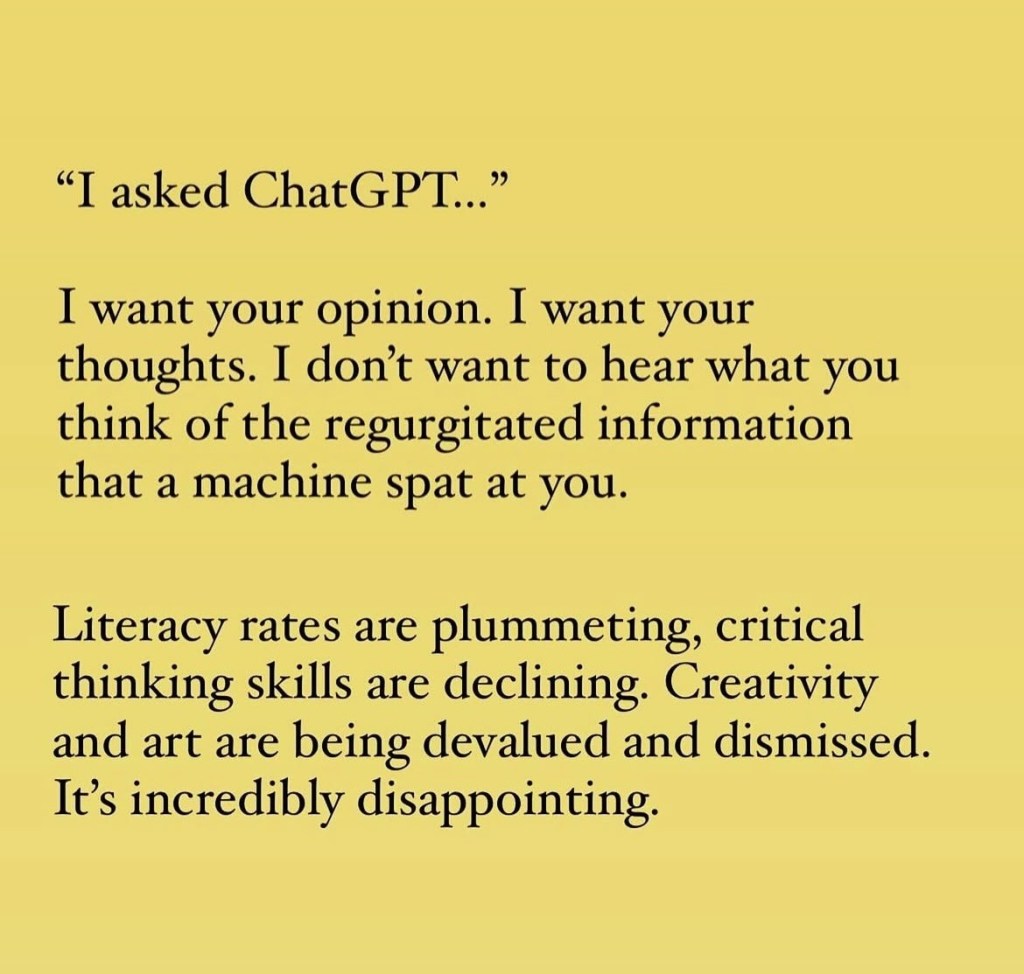
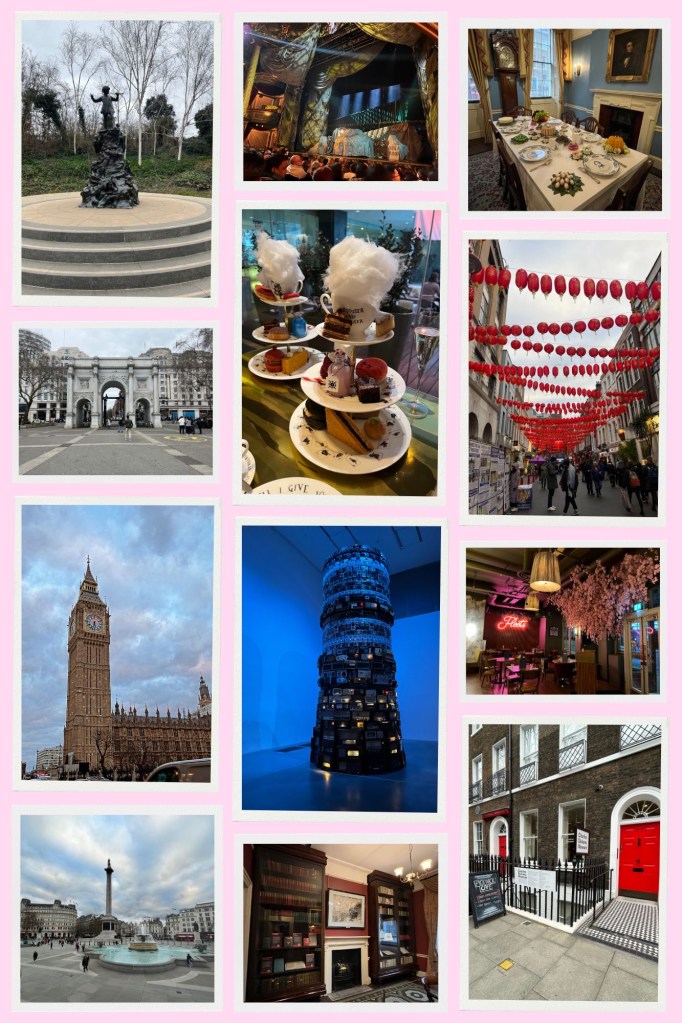

 Katelovesliterature.com